‘Outlander’ author Diana Gabaldon reveals the surprising 1960s TV companion that inspired Jamie Fraser
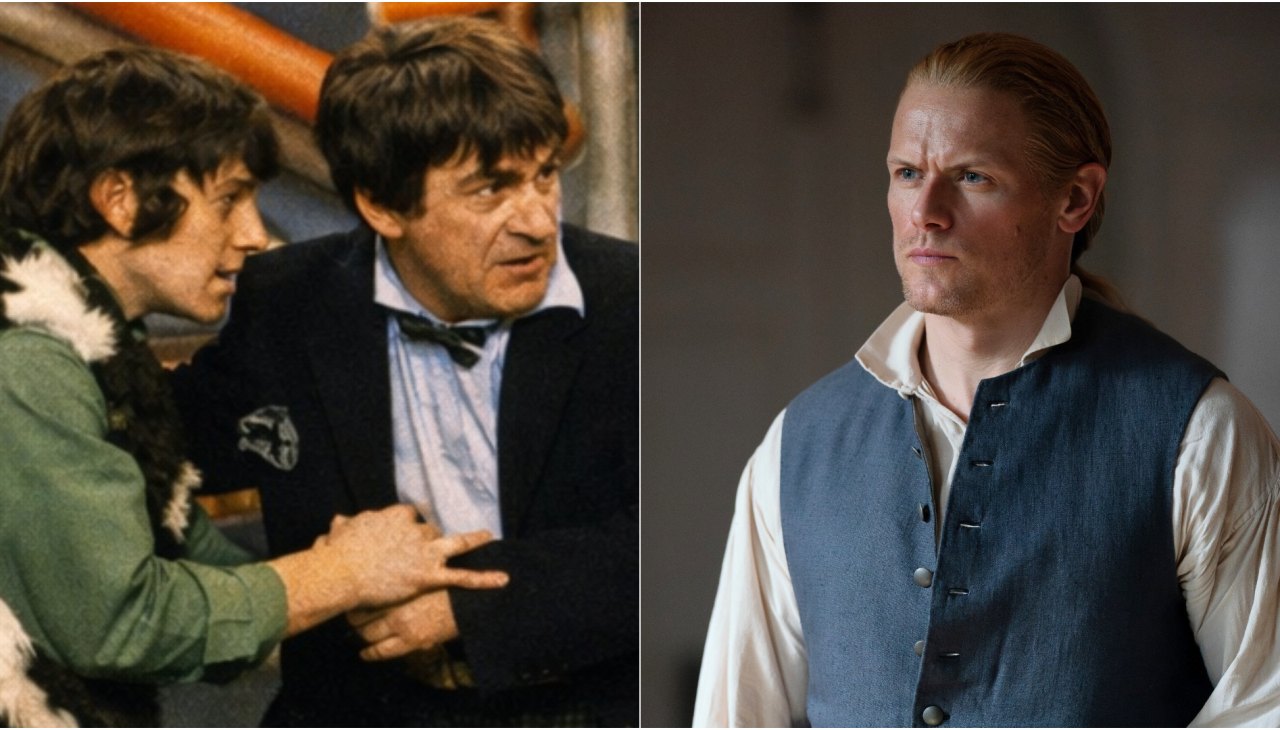
For years now, a persistent bit of fandom folklore has floated around the internet: that Outlander—the sweeping, time-traveling historical romance that became a global phenomenon—began life as Doctor Who fanfiction. It’s the kind of story that feels just plausible enough to stick, considering that both feature time travel, involve a character named Jamie and command fiercely devoted fan bases. In the age of viral “origin story” explainers, it’s easy to see how the leap gets made. But is Outlander Doctor Who fanfiction? Well, not exactly, but the truth is just interesting enough to keep the rumor alive.
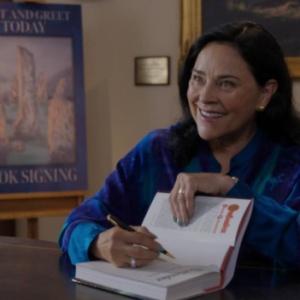
Outlander author Diana Gabaldon has never hidden where the spark came from—actually, she’s been unusually candid about it. On her own website, answering the frequently asked question, “So where did you get the idea to write these books?” she explains that the Scottish setting itself was, in her words, “an accident.”
“Well, I happened to see a Dr. Who rerun in a weak-minded moment,” she writes, “and was taken by a minor character—a young Scotsman from 1745, who appeared in his kilt. ‘Well, that’s fetching,’ I said. ‘Yeah, why not? Scotland, 18th century.’ So that’s where I began, knowing nothing about Scotland or the 18th century, with no plot, no outline, no characters—nothing but the rather vague images conjured up by a man in a kilt (which is, of course, a very powerful and compelling image).”
From ‘Doctor Who’ Companion to inspiration
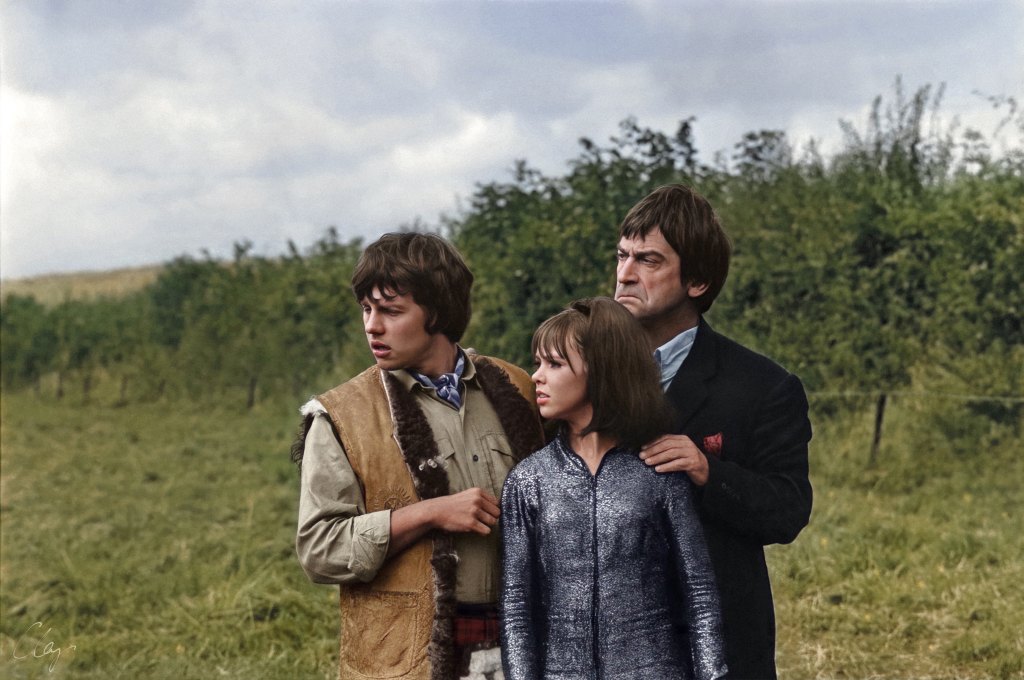
That minor character was the companion to the Second Doctor (Patrick Troughton) in the 1960s Doctor Who serial The War Games, but Gabaldon is explicit about the limits of the connection: “This was a character named Jamie MacCrimmon, played by the actor Frazer Hines. Other than the kilt and the first name (which I used in compliment to the Scottish inspiration), there’s no resemblance between Jamie MacCrimmon and James Alexander Malcolm MacKenzie Fraser (Sam Heughan)… No, actually, Frazer has nothing to do with Jamie’s last name—owing to the local PBS station cutting off the Doctor Who credits in order to run pledge appeals, I didn’t know the actor’s name until some years later, after the first book had been written. I did send a copy to Frazer then, though, thanking him for the kilt.”
And, as things worked out, Hines would actually appear on Season 1 of Outlander, portraying Sir Fletcher Gordon, the English prison warden in the episode “Wentworth Prison.”
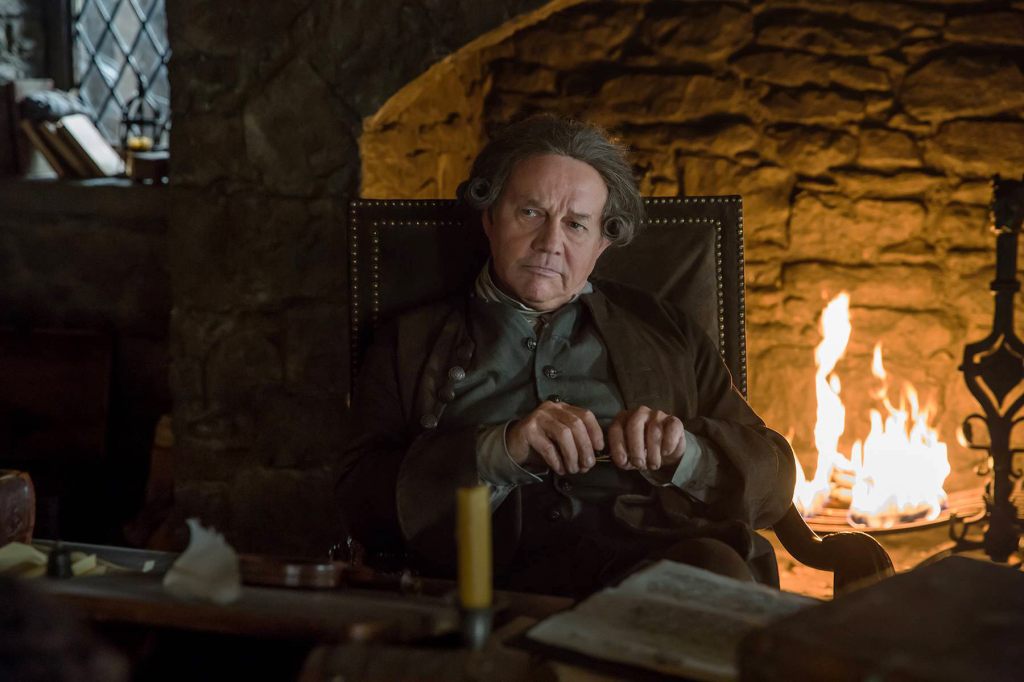
Insofar as the Doctor Who influence is concerned, the author’s explanation is pretty much as clear as she can be. Still, in fandom spaces, inspiration can easily morph into something more dramatic. To understand why, it helps to look at Doctor Who’s unique relationship with its own audience. Who historian Richard D. Carrier points out that the franchise has long blurred the line between fan and professional in ways few other properties have.
“I think a good point to make regarding fanfiction is that Virgin Publishing (who had the rights to Doctor Who books in the early ‘90s) had an open submission policy, which saw many fans of the show become published authors and who then went on to make Doctor Who professionally (both in prose and on TV). This includes Mark Gatiss, Gareth Edwards, Paul Cornell and Russell T Davies,” Carrier tells Woman’s World. “Also, fans who made unofficial audio adventures on tape, which they mailed to fans via ads in fanzines, went on to found Big Finish Productions, which have been making official audios for over 20 years now. One of them in particular, Nick Briggs, is the voice of the Daleks and Cyberman (among others) in the show.”
The power—and creativity—of fans
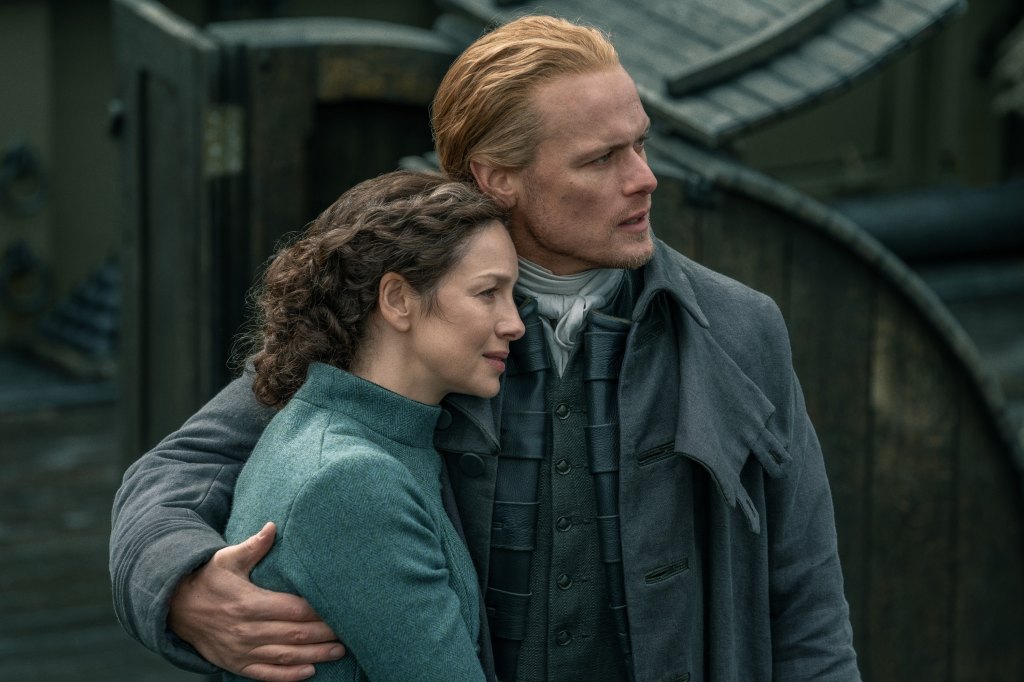
In other words, Doctor Who fandom has historically been a proving ground. “There’s always been a healthy fan community making magazines, fiction and audios, even films,” Carrier explains, “and the example of the above fans going on to be professionals and actually working on the show has encouraged more and more.” Indeed, one not-for-profit company has announced a forthcoming crowdfunded series titled Doctor Who: Dark Reality.