As The Voice returns for its milestone 30th season, fans can expect more powerful performances, fierce competition and plenty of playful moments between the coaches. But beyond the familiar red chairs and emotional blind auditions, the NBC singing competition has several behind-the-scenes secrets that make the show more interesting than viewers might realize.
Season 30 premiered on September 21, 2026, with Adam Levine and Kelly Clarkson returning to their coaching chairs alongside newcomers Queen Latifah and Riley Green. The new season also introduced a First In Button, giving the first coach to turn around during a blind audition the chance to automatically claim that singer for their team.

Queen Latifah wasted no time showing confidence in her new role. Before the premiere, she told People, “I’m dominating the blinds,” adding that it was a title she never expected to hold.
Green, meanwhile, appeared ready to bring some friendly competition to Levine. The country singer revealed that the two enjoy giving each other a hard time, making their interactions another reason for fans to watch the new season. Even former coach Blake Shelton had some advice for Green, joking to Entertainment Tonight that he should focus on winning rather than making friends with his fellow coaches.
Although the coaches and rules have changed over the years, the show’s central formula remains familiar: blind auditions, battles, live performances and weekly eliminations. However, new twists, including the Carson Callback Card and the Cut Week format introduced in Season 30, continue to give contestants and viewers something different to look forward to.
Behind the competition, there are also plenty of details about the audition process, coaching sessions, song choices and even the famous red chairs that viewers rarely get to see.
The winner’s prize goes beyond a recording contract
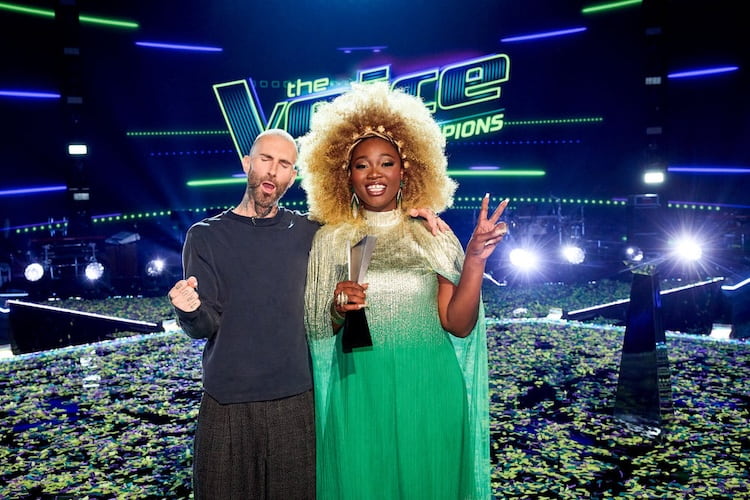
Winning The Voice comes with the promise of a recording contract with Universal Music Group. Although NBC and the show’s producers have not officially confirmed the total value of the prize package, the winner has reportedly received $100,000.
Season 18 winner Todd Tilghman previously discussed how he planned to approach his prize money, explaining to People in 2020 that he did not intend to make any immediate, dramatic changes to his life. He also acknowledged that the money could help cover family expenses for a while. One purchase he expected to make was a trip to Disney World after promising the family an unforgettable vacation.
However, the financial prize is only one part of winning the competition. The exposure and opportunities to build a music career can be just as important.
Season 27 winner Adam David, who competed on Team Michael Bublé, told Parade in May 2025 that he wanted to release music, collaborate with other songwriters and get back on the road. For artists hoping to establish themselves in the industry, the competition can offer a valuable platform to reach a wider audience.
Getting a spot on the blind audition stage takes more work than fans might expect
Not every aspiring singer gets the chance to perform in front of the coaches. The journey typically begins with online submissions and virtual open calls, where producers review audition videos and decide which artists may move forward.
Contestants must be at least 13 years old when they begin the audition process. They are given 90 seconds to introduce themselves and sing, and they can choose their own material. However, the show’s official audition guidelines encourage singers to select a song that suits their voice and reflects their identity as artists.
The selection process can be demanding. Executive producer Audrey Morrissey previously explained to SheKnows that judges listen to auditions over several days, reviewing approximately 18 to 20 performances per day.
Those who make it to the televised blind auditions also have work to do before stepping onto the stage. Contestants spend several days rehearsing with the show’s band, working with wardrobe and styling teams, and preparing for camera blocking.
Their introduction packages require additional filming, too. These segments often feature the singers’ families and personal stories, helping viewers understand the people behind the performances. Former contestant Ddendyl Hoyt told The Washington Post in 2014 that she had not realized how much reality television involved filming scenes in separate segments. She described the process as one of the longest parts of the experience.
Singers can audition again if they do not make it through
Failing to secure a spot on a team does not necessarily mean the end of the road. Hopeful contestants can audition for The Voice again in a future season, although they may only audition once per season.
Former coach Reba McEntire explained to Newsweek in 2023 that she preferred to encourage unsuccessful singers rather than discourage them. She often advised artists to return with a song that better suited their voices and allowed their talents to shine.
The show has also introduced another opportunity for singers who fall short during the blind auditions. Beginning in Season 28, host Carson Daly received the Carson Callback Card, which allows him to give an artist who failed to attract a coach another chance.
The addition gives some contestants an opportunity to prove themselves even after the coaches initially pass on them.
Contestants do not have complete control over their stage outfits
The polished looks seen during performances are not always the result of contestants shopping for themselves. The Voice has a dedicated wardrobe department that works with artists to create outfits suitable for the stage.
Morrissey previously told SheKnows that the team shops for each artist and develops looks that fit their individual style. Once the competition reaches the live shows, outfits are customized to match the needs of specific performances.
That means the clothing viewers see is part of a larger production process designed to help each singer look their best under the stage lights and cameras.

Coaching sessions involve more than a quick conversation with a celebrity
The coaches may be the most recognizable faces on the show, but preparing contestants for the competition requires considerable time and effort.
According to Morrissey, coaching sessions for the battle rounds take place over four days, while the battle performances themselves are filmed over two days.
How much guidance each contestant receives depends on the coach. Some coaches enjoy working through every detail of a performance, while others concentrate mainly on the music and arrangement. Their communication styles also differ, with some preferring text messages and others relying on email.
As the competition progresses, the coaches become increasingly involved because the stakes grow higher.
Former contestant Hoyt also pointed out that the celebrity coaches are only part of the support system. Vocal coaches, band directors, producers and other members of the staff all provide feedback and help singers prepare.
Snoop Dogg echoed that sentiment in an interview with Access Hollywood in September 2025, praising the behind-the-scenes crew responsible for keeping the production running smoothly. While the coaches may receive most of the attention, a much larger team works to make each performance possible.
Coaches usually have a major say in song selection
Choosing the right song can make a significant difference in a contestant’s performance, and it is one of the most important subjects discussed between coaches and artists.
Morrissey previously identified song choice as the primary point of communication between the two sides. Although contestants can offer their own ideas, coaches often have the final say on which songs they perform.
Former contestant Frenchie Davis, who competed during the show’s first season under Christina Aguilera, shared a humorous perspective on the process with Cosmopolitan in 2021. She recalled how funny it could be when a coach criticized an artist’s song choice, even though the coach had selected the song in the first place.
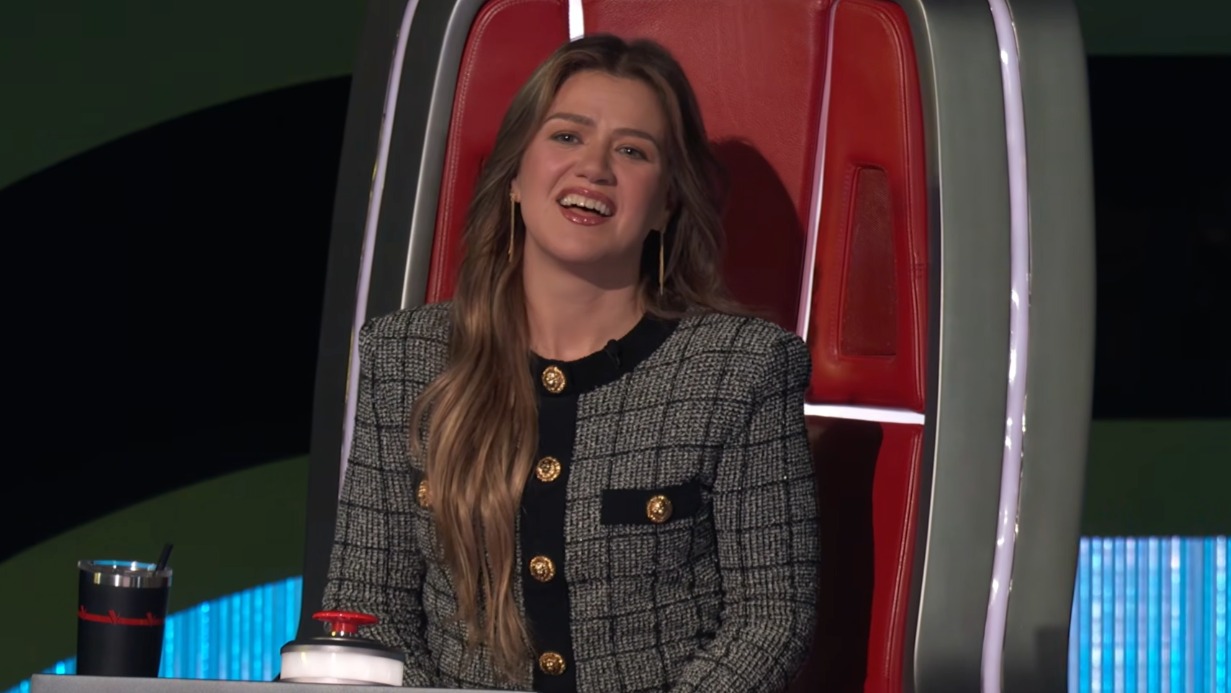
On the other hand, Season 24 winner Huntley credited former coach Niall Horan with helping him find suitable songs. Speaking to NBC Insider, Huntley praised the One Direction singer’s ability to identify the right material for a contestant.
The balance between a singer’s personal preferences and a coach’s experience can therefore play a major role in shaping performances throughout the competition.
Mental health support is part of the competition
Performing in front of millions of viewers can be an exciting opportunity, but the pressure of competing on national television can also be emotionally challenging.
Before contestants enter the competition, they undergo screening to assess their readiness for the experience. The show also provides access to mental health professionals who can support artists during their time on the program and after their elimination.
Former contestant Kat Perkins discussed the importance of that support with Cosmopolitan. She explained that contestants met with counselors to check on their well-being and that eliminated singers were given an opportunity to talk through their experiences.
Perkins described the process as necessary because the emotional impact of competing and suddenly leaving the show can be difficult to prepare for.
While viewers often focus on the results and judges’ reactions, the support system behind the scenes helps contestants navigate the pressure that comes with chasing a major musical opportunity.
The famous red chairs have some surprising features
The red swivel chairs are among the most recognizable elements of The Voice, but there is more to them than their dramatic turns.
The chairs received a major upgrade in 2018, adding buttons that allowed coaches to block another coach from claiming a contestant. Each coach could use the feature once per round, adding another strategic element to the blind auditions.
The chairs also include practical features. Their frames are made with aluminum, and they have self-adjusting seat heaters and two cupholders. Former coach Blake Shelton reportedly requested the cupholders, while Snoop Dogg later joked to Access Hollywood that he and Reba McEntire were the kings of the seat warmers.
One of the most recognizable sounds associated with the chairs, however, is not quite what it seems. Perkins told Cosmopolitan that the dramatic whooshing sound heard when a chair turns around is added during post-production.
Contestants performing onstage may barely notice the sound while concentrating on their songs and the audience in the studio.
The coaches’ friendships are not always as dramatic as they appear
Friendly arguments and playful insults have long been part of The Voice. The changing lineup of celebrity coaches brings different personalities to the show, but some rivalries have become particularly memorable.
Blake Shelton and Adam Levine were famous for constantly teasing each other during their time together on the show. In a 2017 interview with The Tennessean, Shelton admitted that they sometimes genuinely became frustrated with each other, describing their friendship as a bond that could bring out both the best and worst in them.
Despite the arguments, Shelton also made it clear that Levine was one of his closest friends. Their relationship became a major part of the show’s entertainment value, with fans enjoying their back-and-forth as much as the singing competition itself.
Even after Shelton’s departure, Levine continued to acknowledge their friendship. Ahead of his return to the show in 2025, he shared a throwback photo from the first season’s after-party at his house and jokingly referred to Shelton in the caption.
Other coaches have also spoken positively about the relationships they formed on the show. Niall Horan told NBC that he had initially worried the friendships might feel forced for television, but he was pleasantly surprised by how naturally everyone got along.
With Queen Latifah and Riley Green now joining Adam Levine and Kelly Clarkson for Season 30, viewers can expect a new mix of personalities, musical perspectives and friendly rivalries.
After 30 seasons, The Voice continues to rely on a combination of talented singers, celebrity coaches and unexpected twists. But the audition process, the hard work behind each performance and the relationships formed away from the cameras remain just as important as the moments viewers see onstage.