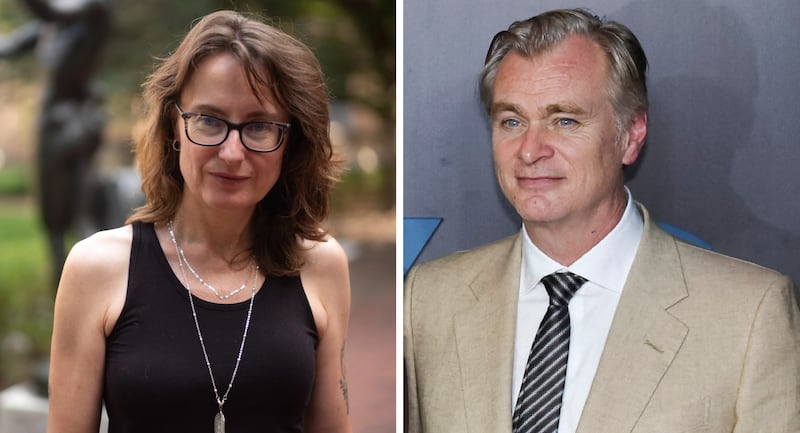
Emily Wilson, the acclaimed scholar whose English translation of The Odyssey inspired Christopher Nolan’s latest film, believes the director made one crucial mistake: writing the screenplay on his own.
Speaking on NPR’s Fresh Air, Wilson said hiring a screenwriter “would have solved a lot of the issues” she found in the film. While praising the cast for their performances, she argued that the screenplay ultimately limited the story’s emotional depth.
“I also think the actors are amazing,” Wilson said. “It’s a star-studded cast, and they’re doing their absolute best with the script they were given.”
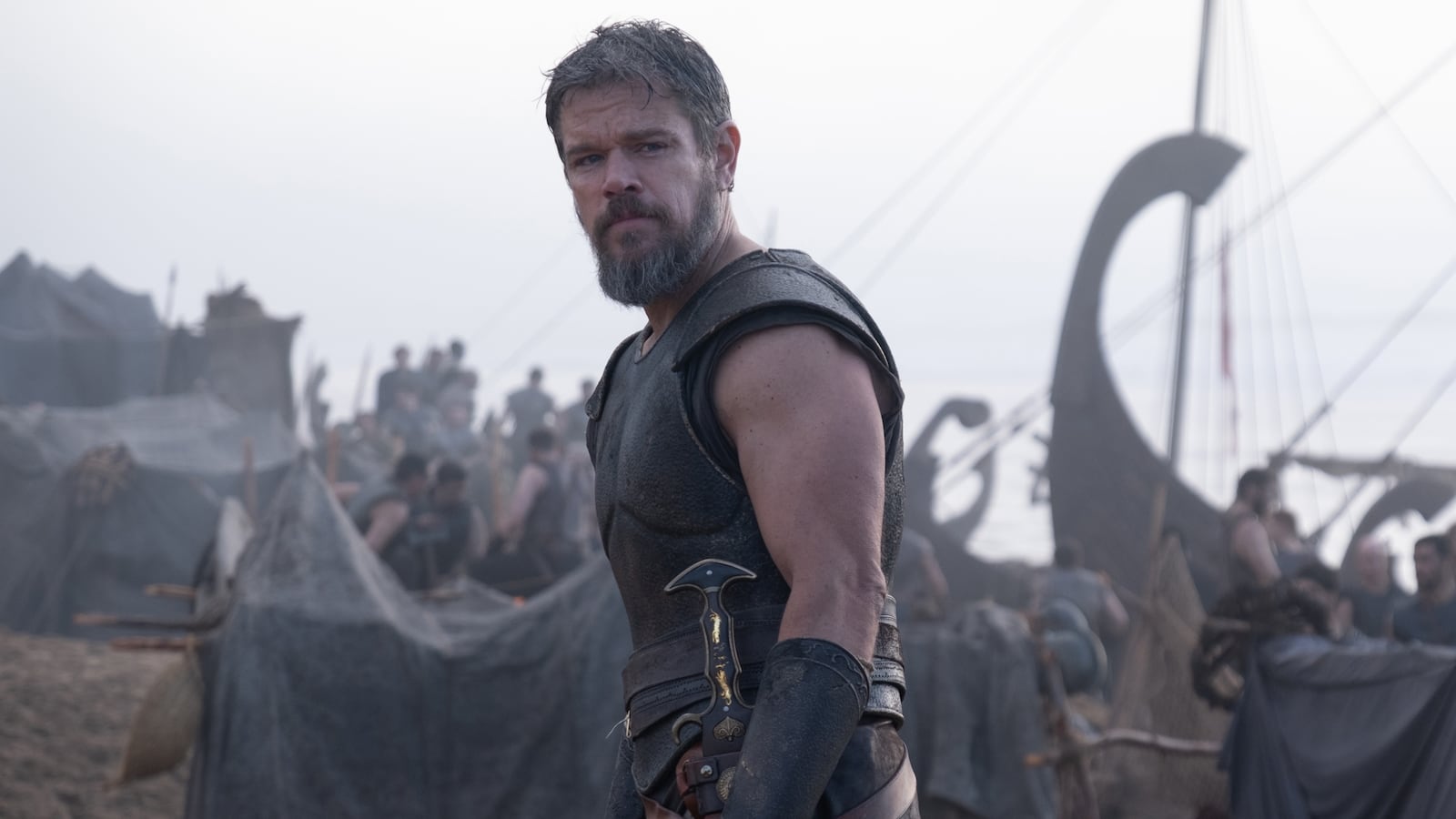
Wilson, the first woman to translate Homer’s epic into English verse, took particular issue with Nolan’s portrayal of Odysseus, played by Matt Damon. In her view, the legendary hero lacks the layered motivations that define him in Homer’s original work.
According to Wilson, compelling quest narratives require protagonists with clear and believable desires. She argued that Nolan’s Odysseus appears stripped of basic human wants such as food and sex, leaving guilt as his primary motivation—a choice she described as too thin compared with Homer’s rich characterization.
“I would like to have deeper characterization in a film,” Wilson said. “I would like to care more.”
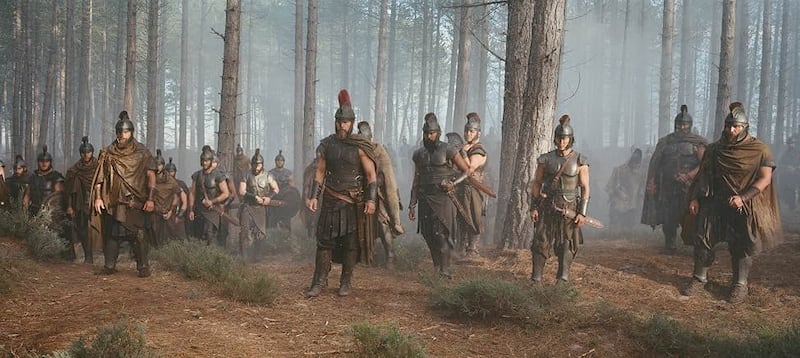
Wilson had previously expanded on these criticisms in a review published by the London Review of Books. Although she acknowledged the film as an entertaining spectacle, she wrote that Nolan revisited familiar themes from his earlier works, resulting in a story marked by “grandiosity and superficiality” rather than complexity.
Another aspect that disappointed Wilson was the film’s treatment of the Greek gods. While Nolan includes references to divine forces—such as Athena, played by Zendaya, responding to Odysseus’ question about the gods’ language by pointing to thunder, fire, and a baby’s cry—Wilson believes the film never clearly establishes how much influence the gods actually have over the story.
She argued that the movie attempts to balance both supernatural and ambiguous interpretations without fully committing to either. Questions surrounding figures such as Zeus, Poseidon, Calypso, and Circe remain unresolved, leaving Wilson wishing for a stronger divine presence.
Despite her reservations, Wilson still encourages audiences to watch the film.
She described The Odyssey as an impressive cinematic spectacle that offers plenty to discuss, from its interpretation of Homer’s epic to its reflections on war, violence, deception, and contemporary society.
Following the publication of her review, Wilson faced criticism online. Responding on Bluesky, she defended the role of criticism, saying that analyzing a work of art—even negatively—is not a personal attack.
“You can disagree about some or all of it! I may well be wrong!” she wrote. “But it’s not ‘personal’ to analyze a film or other work of art, even negatively. Criticism is more than ‘Hurray!’ or ‘Hiss!’”
Wilson also suggested that one overlooked aspect of Nolan’s adaptation is its connection to modern Los Angeles, where the British-born filmmaker has lived for years, describing the film as, in part, “a film about living in LA.”
Source: https://www.thedailybeast.com/