Although Star Trek: Discovery ended after five seasons, its influence on the franchise continues to be felt. The series not only brought Star Trek back to television after a 12-year absence, but also expanded the franchise through greater diversity, new characters, unexplored timelines and stories that directly paved the way for later Star Trek shows.
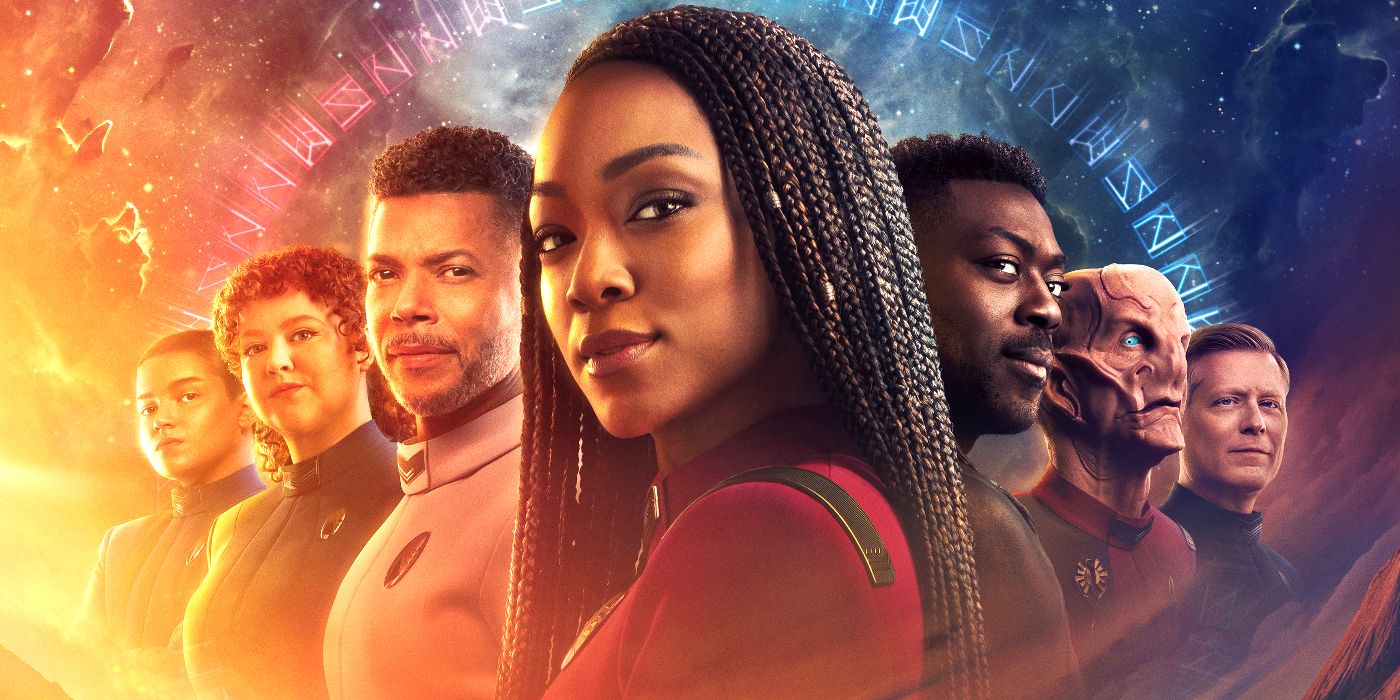
Premiering in 2017, Discovery centered on Michael Burnham, played by Sonequa Martin-Green. Her journey became the emotional core of the series. Burnham began as a disgraced officer who had been imprisoned for mutiny, but gradually earned the trust of her crewmates and eventually rose to become captain of the USS Discovery.
The series also marked several important milestones for Star Trek. Burnham became the franchise’s first Black female captain. Anthony Rapp’s Paul Stamets became the first openly gay character on a Star Trek series, while his relationship with Dr. Hugh Culber, played by Wilson Cruz, became another significant part of the show’s representation. Discovery also introduced nonbinary character Adira, played by Blu del Barrio, and transgender character Gray, played by Ian Alexander.
Beyond representation, Discovery expanded the franchise’s timeline. Initially set roughly a decade before The Original Series, the show introduced younger versions of familiar characters including Spock, Christopher Pike and Number One. Ethan Peck, Anson Mount and Rebecca Romijn became fan favorites in those roles, ultimately leading to the creation of Star Trek: Strange New Worlds in 2022.
The series then took an even bigger leap into the future. At the end of Season 2, the Discovery crew traveled more than 900 years forward to the year 3188. The move allowed the series to explore a part of the Star Trek universe that had rarely been seen on screen and gave Burnham and her crew a new setting in which to continue their journey.

At the center of it all was Burnham’s evolution. Her transformation from a mutineer struggling to earn back her place in Starfleet to a confident captain became one of the show’s defining arcs. The final season reinforced that growth by allowing Burnham to confront her younger self, offering a direct reminder of how far she had come.
Despite the show’s cancellation, Discovery received a chance to give Burnham and her crew a meaningful farewell. An additional coda filmed for the series finale revealed Burnham’s future as an admiral, while she and Book had a son, Leto, who eventually became a Starfleet captain. A final dreamlike reunion with her crew aboard the Discovery gave the series an emotional goodbye.
But perhaps Discovery’s greatest legacy is what came after it. Its introduction of Pike, Spock and Number One directly helped launch Strange New Worlds, while the modern Star Trek universe continued to grow through Picard, Lower Decks, Prodigy and Starfleet Academy.
Star Trek: Discovery may have completed its final mission, but its impact on the franchise is far from over. By pushing Star Trek into new timelines, introducing a broader range of characters and opening the door for new series, Discovery became an important bridge between the franchise’s past and its future.
Source: https://www.tvinsider.com/