As the hit historical drama Outlander transitioned its sweeping narrative into the American colonies, the production faced a unique logistical hurdle. When Jamie Fraser and Claire Randall found themselves navigating the complex social landscapes of pre-Revolutionary North America, the storyline naturally introduced Indigenous communities, including the Cherokee and Mohawk nations. However, eagle-eyed fans tuning into the series noticed a distinct casting choice: rather than hiring American actors belonging to these tribes, producers turned to Canadian First Nations talent.
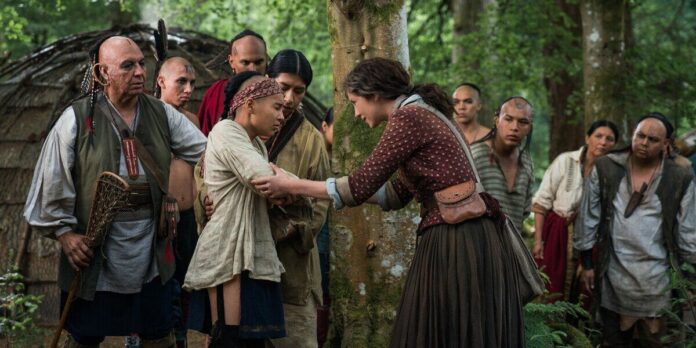
The decision largely boils down to the show’s primary production hub and union structures. Although the story moves across the Atlantic, Outlander is principally filmed overseas in Scotland, operating primarily as a non-SAG (Screen Actors Guild) production. Because of specific union agreements, travel logistics, and production constraints, bringing American unionized actors across the globe posed significant hurdles.
To ensure authentic representation while working within these parameters, the production team cast its net toward Canada. Producers held open casting calls in regions such as northeastern Ontario, seeking out First Nations background actors and performers to bring historical depth and nuance to the screen. By collaborating with Canadian Indigenous talent, the show aimed to honor the heritage and traditions of the communities depicted, even while recreating North American villages in European public parks where curious Scottish dog walkers would occasionally stumble upon the set.
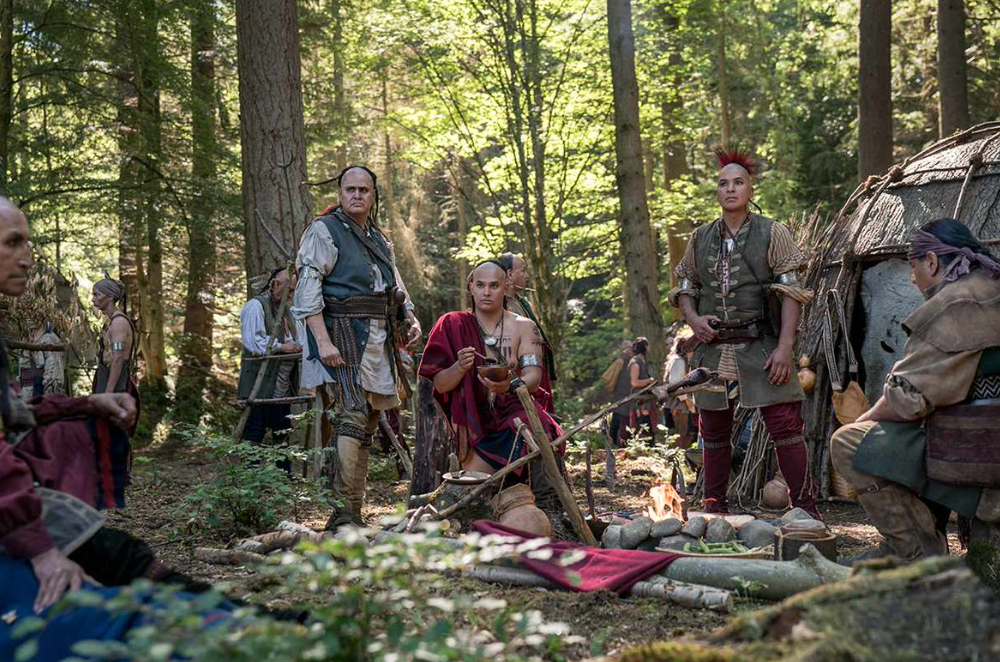
While the choice sparked discussion among viewers regarding cross-border casting nuances, the series’ creative team emphasized their ongoing dedication to treating these crucial historical storylines with care, respect, and cultural authenticity.
Source: Compiled from various sources