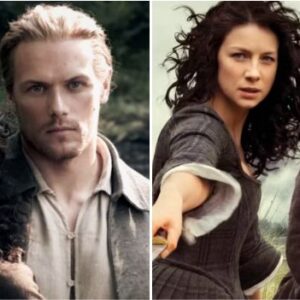
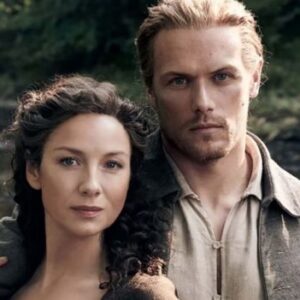
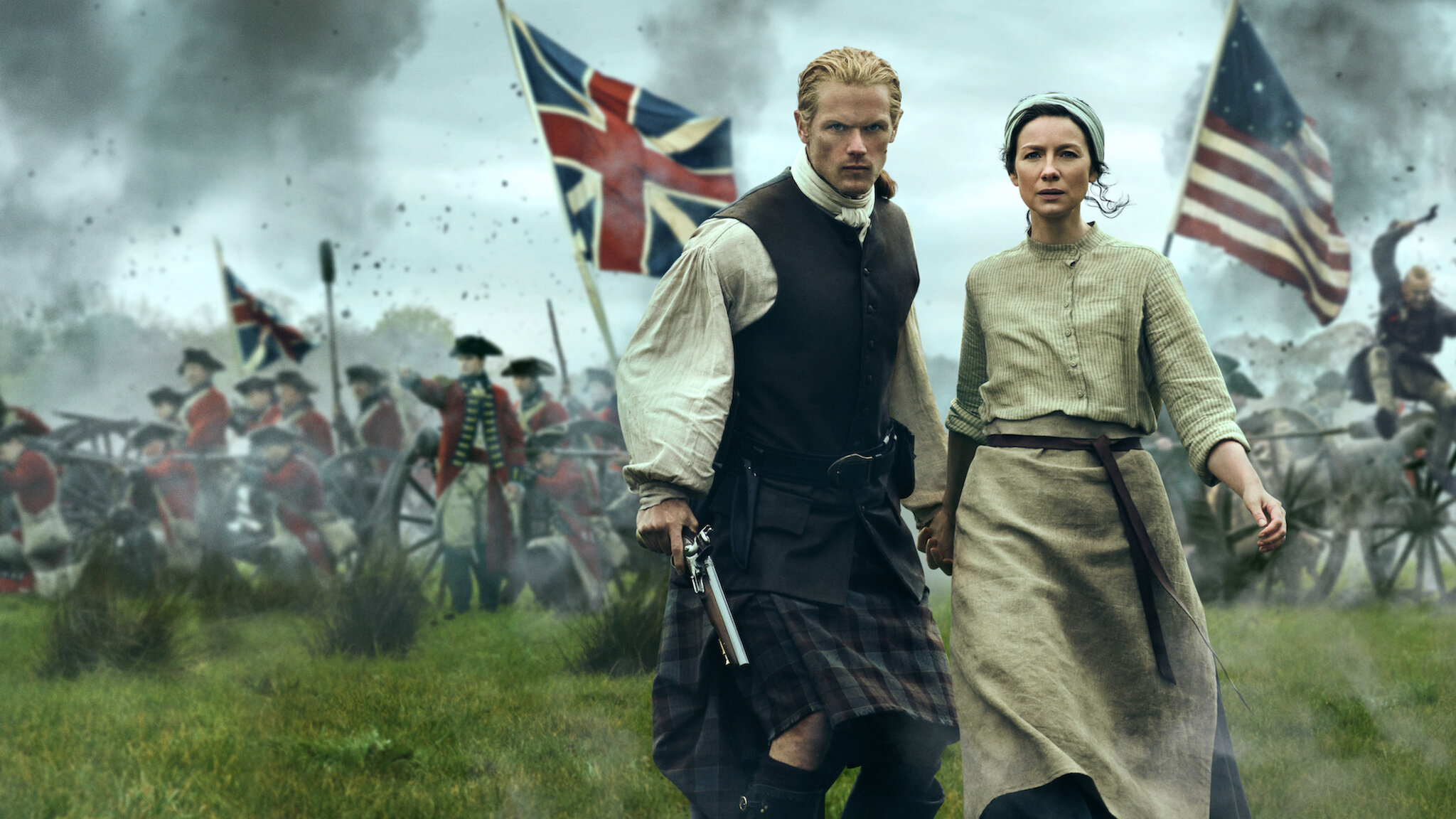
Few historical dramas have made the past feel as raw, bloody, and personal as Outlander. From tartan-clad warriors to whispered oaths for a lost king, the series turned the Jacobite Rebellion into a sweeping emotional epic.
But here’s the uncomfortable truth:
the real rebellion was messier, colder, more political — and in some ways far crueler — than the show ever admits.
So what did Outlander nail perfectly… and where did it quietly rewrite history for maximum heartbreak?
Let’s break it down.
WHAT OUTLANDER GOT UNCANNILY RIGHT

1. The Jacobite Cause Was Doomed — And Everyone Knew It
One of Outlander’s most devastating truths is also historically accurate: many Jacobites privately believed the rebellion would fail.
Scottish clan leaders backed Prince Charles Edward Stuart not because victory was guaranteed — but because honor, tradition, and desperation left them no alternative. Like Jamie Fraser, real Highlanders knew they were gambling everything.
This wasn’t blind loyalty.
It was resigned hope.
✔️ Verdict: Painfully accurate.
2. Prince Charles Was Charismatic… and Reckless
The show’s portrayal of Bonnie Prince Charlie as charming, delusional, and increasingly unstable is one of its boldest choices — and history backs it up.
By 1745, Charles believed divine destiny guaranteed his success. He ignored seasoned military advice, alienated allies, and pushed toward Culloden despite overwhelming odds.
Many Jacobite officers later blamed him personally for the catastrophe.
✔️ Verdict: Historically brutal — and correct.
3. Culloden Wasn’t a Battle — It Was a Slaughter
Outlander doesn’t glamorize Culloden, and neither should history.
The real battle lasted less than an hour. The Jacobites were exhausted, starving, and outgunned by British artillery. Once the lines broke, it became a massacre.
Afterward, wounded men were executed where they lay.
✔️ Verdict: The horror was real — and arguably worse than shown.
WHERE OUTLANDER BENDS (OR BREAKS) HISTORY
4. The Clans Were Not United
The series often implies the Highlands stood as one against the English crown.
In reality?
Many clans fought for the British government. Others stayed neutral. Some switched sides entirely.
The rebellion wasn’t Scotland vs. England — it was Scotland vs. itself.
❌ Verdict: Romanticized for narrative clarity.
5. Jamie Fraser Is Too Modern for His Time
Jamie’s views on equality, consent, marriage, and morality often feel strikingly contemporary.
Historically, an 18th-century Highland warrior would have held far harsher beliefs — especially about women, class, and loyalty.
Jamie is less a historical Scot and more a 21st-century ideal man wearing a kilt.
❌ Verdict: Delicious fantasy — not realism.
6. Claire’s Medical Impact Is Exaggerated
Yes, Claire’s medical knowledge saves lives — but the idea that one woman could meaningfully shift survival rates in 18th-century warfare is… optimistic.
Most battlefield deaths came from infection, exposure, and lack of sanitation — problems no amount of penicillin knowledge could fully fix.
❌ Verdict: Emotionally powerful, historically inflated.
THE BIG LIE OUTLANDER TELLS — ON PURPOSE

7. That the Rebellion Was About Scottish Freedom
This is the most controversial truth of all.
The Jacobite cause was not about democracy, independence, or freedom. It was about restoring a Catholic monarchy and hereditary rule.
Had the Jacobites won, Scotland would not have become freer — it would have changed rulers.
Outlander reframes the rebellion as a fight for identity and survival, because the real motive is… uncomfortable.
❌ Verdict: Necessary lie for modern audiences.
WHY THE SHOW’S VERSION STILL MATTERS
Despite its liberties, Outlander did something history books failed to do:
It made people care.
Care about Culloden.
Care about Highland culture.
Care about a rebellion that reshaped Scotland forever.
Sometimes emotional truth reaches further than factual precision — and Outlander knows exactly where to blur the line.
FINAL TAKE: HISTORY VS. HEART
The Jacobite Rebellion was tragic, flawed, and doomed — just like Outlander shows us.
But the series chooses love over accuracy, emotion over politics, and myth over mess.
And that choice?
That’s why we’re still arguing about it years later.