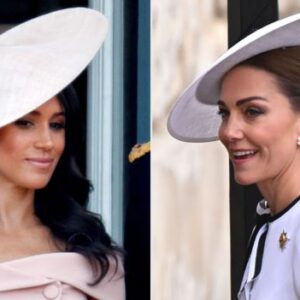
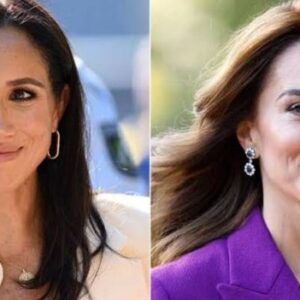
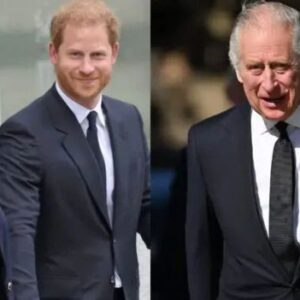
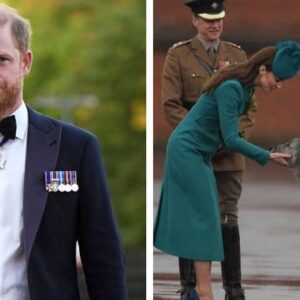
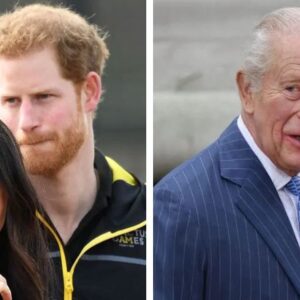
The formal clarification issued by Buckingham Palace regarding Prince Harry and Meghan Markle’s status has sparked intense debate among royal commentators over the couple’s public positioning. Communicated on behalf of King Charles III by Lord Benyon to government and military officials, the guidance reaffirmed that the Duke and Duchess operate as non-working royals in a private capacity. However, reports that representatives for the Sussexes expressed a preference for the term “public figures” rather than “private citizens” have drawn sharp criticism from media analysts, who characterize the distinction as an ongoing effort to maintain a hybrid royal role.
Arguments Regarding Public Relevancy and Commercial Branding
Speaking to The Sun, royal author Angela Levin and biographer Hugo Vickers offered critical assessments of the couple’s reaction to the Palace directive. Levin argued that the preferred designation of “public figures” reflects an ongoing attempt to assert global prominence while remaining exempt from institutional control. According to Levin, the couple’s public strategy continues to clash with the formal boundaries established by the Crown, creating persistent friction between independent commercial ventures and traditional royal protocols.
Hugo Vickers highlighted what he views as a fundamental contradiction in the couple’s public narrative. Vickers noted that while Prince Harry and Meghan previously cited intense media scrutiny as a primary reason for stepping back from official duties in 2020, their current schedule involves frequent public, media, and charitable appearances. He argued that the couple’s public relevance remains intrinsically dependent on their direct association with the British monarchy. From Vickers’ perspective, returning to the United Kingdom naturally reinforces their royal identity in the public eye, making it difficult to separate private commercial pursuits from the visual appearance of official state work.
Institutional Boundaries and Event Scheduling
The commentary also addressed the ongoing challenge of managing public optics when non-working family members conduct high-profile initiatives. Levin asserted that public engagements undertaken by the Sussexes often coincide with or draw media attention away from official events led by senior working royals, such as the Prince and Princess of Wales. She maintained that the King’s decision to publish explicit administrative guidance was a necessary step to protect the core work of the active monarchy and establish clear boundaries against a “half-in, half-out” arrangement.
Palace officials maintained that the guidance distributed to state bodies did not alter existing policies, but merely re-established the terms agreed upon during the 2020 Sandringham summit. Nevertheless, spokespersons for the Sussexes expressed surprise regarding the timing and public release of the document, noting that their team received minimal advance notice.
The Continuing Tension Between Independence and Royal Heritage
The ongoing debate underscores the difficulty of defining the status of high-profile figures who step away from official state roles. While Buckingham Palace continues to enforce legal and administrative parameters restricting official representation and title usage, external commentators argue that public perception will remain divided. As Prince Harry and Meghan establish their long-term presence in Great Britain, balancing individual enterprise with the symbolic weight of their royal lineage remains a central point of contention.
Source: Compiled from various sources