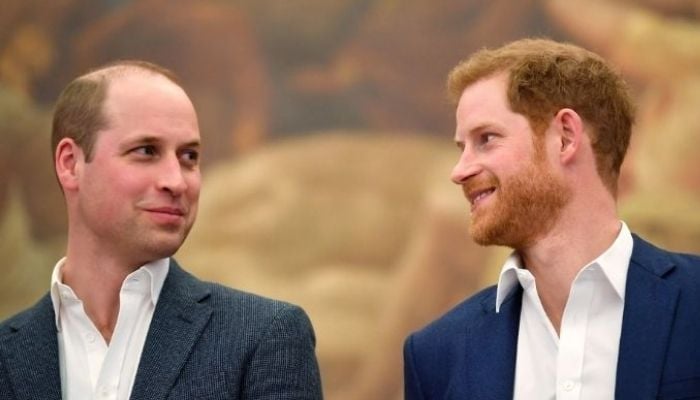
The return of Prince Harry and Meghan Markle to the United Kingdom on August 26 has sparked renewed public discussion regarding whether the physical proximity could lead to a eventual reconciliation between Prince Harry and Prince William. As the 30th anniversary of Princess Diana’s passing approaches in the coming years, media observers and royal commentators are assessing how the two brothers might navigate their public roles alongside their ongoing personal estrangement.
Royal commentator Robert Jobson addressed the situation during an interview with Hello! Magazine, suggesting that upcoming milestone anniversaries will inevitably require some level of coordination between the siblings. Jobson noted that the 30th anniversary of their mother’s death will carry significant weight, predicting that both brothers may eventually need to share a public platform to honor her memory. He observed that Prince Harry has consistently worked to preserve and continue his mother’s humanitarian legacy through specific causes, including landmine clearance efforts and international charitable engagements similar to those Princess Diana championed.
However, commentators also highlight that navigating these shared legacies could introduce additional friction between the two households. Jobson pointed out that Prince Harry’s active focus on his mother’s charitable work could lead to overlapping efforts with Prince William, who also maintains a direct connection to Diana’s public legacy. The return of the Duke and Duchess of Sussex to Great Britain places added public pressure on the Prince of Wales to navigate the ongoing family dynamic pragmatically, despite the absence of formal reconciliation.
Since stepping down as senior working royals in January 2020 and relocating their primary base to California later that spring, the Sussexes have maintained a distinct operational path from the rest of the royal family. While the decision to spend extended time in Britain with their children brings the family geographically closer, experts emphasize that shared commemorative responsibilities in the future may require structured co-existence rather than an immediate resolution to their personal differences.
Source: Compiled from various sources