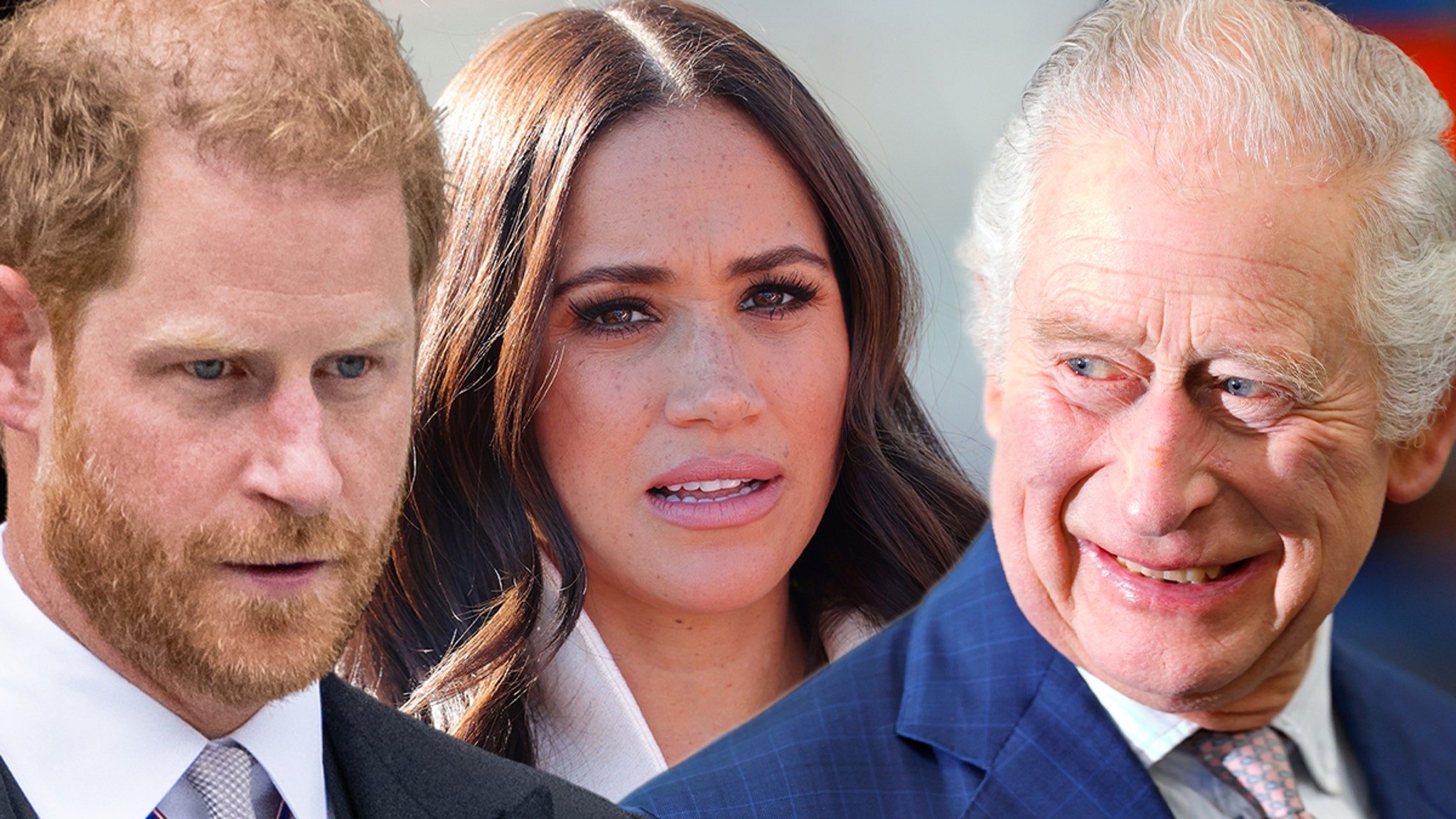
The recent return of Prince Harry and Meghan Markle to the United Kingdom has once again brought the complex dynamic between individual identity and royal institution into public focus. A formal statement issued on behalf of King Charles III sought to clarify the administrative position of the Duke and Duchess of Sussex, reminding state bodies, military officials, and government departments that the couple operates strictly in a non-working capacity. Despite this official directive, commentators and royal observers argue that managing public perception remains a significantly more difficult challenge than issuing administrative notices.
The Institutional Framework established by Buckingham Palace
The central objective of the Palace communication, distributed via Lord Benyon, was to reaffirm the operational status agreed upon during the couple’s initial step-back in 2020. The official correspondence set clear parameters:
-
Abeyance of HRH Styles: Prince Harry and Meghan retain their formal titles, but the “His/Her Royal Highness” styles remain in abeyance and are not used in commercial or public contexts.
-
Private Capacity: The charitable and business commitments undertaken by the couple are formally defined as personal endeavors, carried out as private citizens rather than on behalf of the Crown.
-
Absence of Official Representation: The Sussexes hold no official mandate to represent the British monarch or state institutions during their activities.
The clarification was prompted by the couple’s decision to settle back into the United Kingdom for an extended duration, an event that instantly sparked speculation regarding their long-term roles within the wider royal framework.
The Divergence Between Administrative Guidance and Public Optics
Despite the precise legal and administrative boundaries drawn by Buckingham Palace, media analysts note that optics often override formal declarations. In an interview on Times Radio, Roya Nikkhah, Royal Editor for The Sunday Times, highlighted the fundamental contradiction that the monarchy faces in attempting to shape public interpretation.
Nikkhah emphasized that while formal letters can outline a non-working status, the visual nature of the Sussexes’ public presence creates an unavoidable impression. Prince Harry and Meghan remain high-profile, internationally recognizable figures. Consequently, when they attend public events, support charitable causes, or interact with media organizations within the United Kingdom, those engagements naturally mirror standard royal engagements in appearance and press coverage. The institutional effort to label these appearances as private ventures does little to alter how the broader public and international media consume them.
Ongoing Challenges for the Monarchy’s Communication Strategy
This persistent tension illustrates the difficulty of managing high-profile members who step away from official duties while remaining prominent figures. The Sussexes maintain select personal patronages alongside their private commercial ventures. Because these activities frequently involve public appearances and philanthropic work, the line between private citizenship and royal representation remains blurry in practice.
Ultimately, while Buckingham Palace can enforce strict procedural boundaries regarding state representation and official titles, managing how those activities are perceived by the public presents a separate challenge entirely. As Prince Harry and Meghan continue their work in the UK, the visual similarity between their private engagements and official royal duties ensures that the debate surrounding their institutional status will persist.
Source: Compiled from various sources