Sam Heughan is opening up about a difficult experience filming Outlander, revealing that a controversial nude shot following a traumatic assault scene left him feeling that the show’s creative team had betrayed his trust.
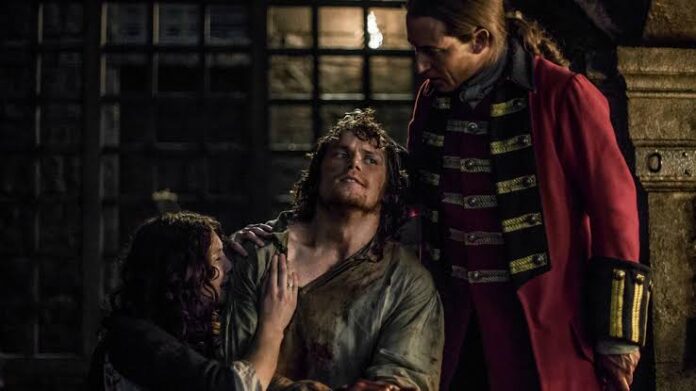
The Scottish actor, who plays Jamie Fraser in the Starz historical drama, discussed the experience in his 2022 memoir, Waypoints: My Scottish Journey. He explained that he had pushed back against a proposed full-frontal shot after a scene depicting Jamie’s sexual assault by Black Jack Randall, played by Tobias Menzies.
For Heughan, the disagreement was not simply about appearing nude on screen. He questioned whether the shot served the story or risked shifting attention away from the character’s suffering.
In his memoir, the actor explained that nudity did not add to the sense of punishment, humiliation and trauma Jamie experienced. He argued that audiences could understand the severity of the situation without an unnecessarily revealing image.
“I pushed back, reasoning that nudity sexualised a horrific experience for my character,” Heughan wrote, describing the discussions that followed his objection.
The sequence ultimately changed during editing. The most explicit shot was removed, with the final version instead showing Jamie after the assault, lying naked on the dungeon floor. However, Heughan said the experience of debating the scene and filming the material remained difficult.
He also recalled an earlier incident in which the production team asked him to repeat the sequence to obtain a wider camera angle. He had believed the reshoot would stop before the most distressing part, but the scene continued longer than he expected. He later described feeling frightened and said the experience affected his trust in the people responsible for the production.
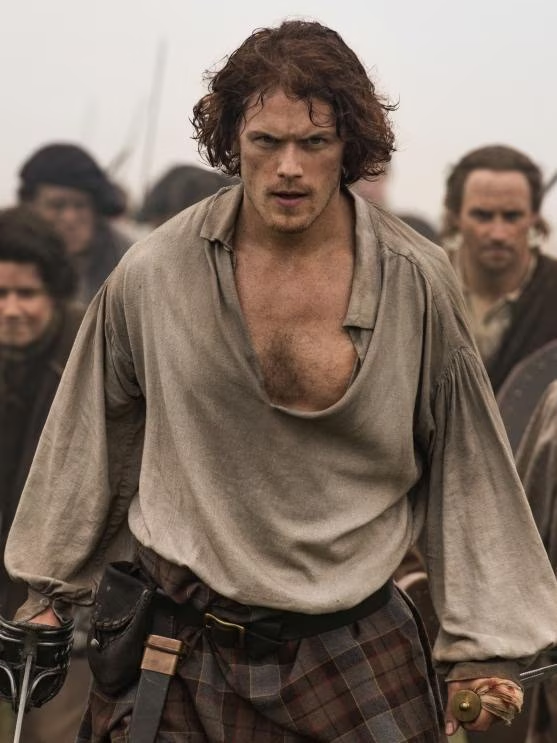
Although Heughan found the filming emotionally demanding, he did not dismiss the dramatic importance of the storyline. He acknowledged that playing a character facing such profound trauma offered an actor an opportunity to explore complex emotions. His objection centered on whether the additional nudity was necessary to communicate that suffering.
The discussion also highlighted how approaches to filming intimate and traumatic scenes have evolved. Heughan said he believed the sequence would likely be handled differently if it were made today, reflecting changing expectations around performers’ boundaries and the depiction of sexual violence on television.
In later seasons, Heughan took on a greater role behind the scenes as a producer and helped bring an intimacy coordinator onto the series. Such coordinators work with performers and production teams to establish boundaries and plan intimate scenes with greater communication and care.
The actor has emphasized the importance of protecting performers while still allowing productions to tell challenging stories. For him, those goals do not have to conflict: careful planning can help actors explore difficult material without relying on unnecessary explicitness.
The controversy surrounding the early Outlander scene remains a revealing example of the conversations that can arise between actors and creative teams when a production tackles sensitive subject matter. Heughan’s account underscores the importance of trust, communication and a clear artistic purpose when depicting traumatic experiences on screen.
Source: Compiled from various sources