A newly released excerpt from A Blessing for a Warrior Going Out has prompted fresh debate among Outlander readers, not because of overt plot revelations, but due to a subtle tonal shift that many fans believe carries an unmistakable echo of Frank Randall. The moment in question is brief and indirect, yet it has been enough to reopen one of the fandom’s most enduring and divisive questions: how much did Frank really know, and how much of the story surrounding Claire’s life across time remains unresolved?
The speculation centers on a reference to a “man Claire once knew,” phrased in a way that feels deliberately imprecise. The series has often used such language when invoking Frank without naming him outright, particularly in later books where his presence lingers more as an idea than a character. Readers familiar with Diana Gabaldon’s narrative habits have noted that when Frank is meant to be recalled quietly rather than dramatically, he is frequently invoked through implication rather than direct acknowledgment.
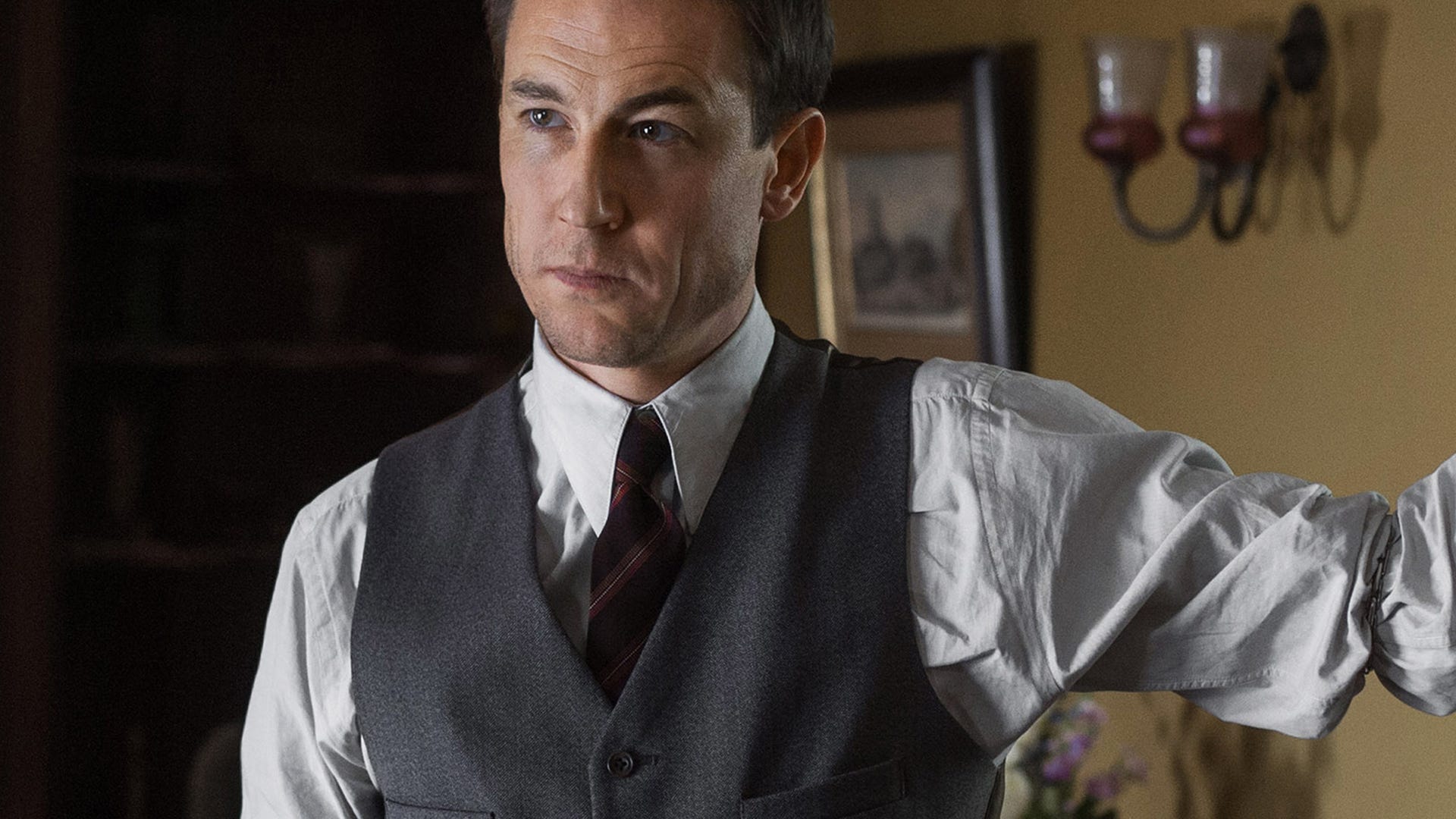
What makes this instance notable is its placement. The reference appears during a moment of preparation, reflection, and unease, as Claire readies herself for a dangerous journey while Jamie remains behind. Historically, Frank’s shadow has tended to surface during periods when Claire is mentally straddling past and present, safety and risk, or when questions of fate and interference arise. The timing, rather than the wording alone, has led many readers to wonder whether this is intentional groundwork rather than incidental phrasing.
Frank Randall has long been one of Outlander’s most polarizing figures. Some readers view him as a tragic, sidelined husband who did the best he could with impossible knowledge. Others believe he knew far more than he admitted and may have actively shaped events through research, suppression of records, or selective truths told to Brianna. Any suggestion of his reappearance in Book Ten, even symbolically, is enough to fracture the fandom along familiar lines.
Theories emerging from the excerpt range from restrained to radical. More conservative readers suggest the reference may foreshadow the resurfacing of Frank’s letters or papers, long rumored to contain information he deliberately withheld. Others speculate about visions, dreams, or moments of temporal overlap in which Claire reflects on Frank with new understanding rather than unresolved resentment. A more controversial faction argues that the line supports the idea that Frank’s actions extended beyond research, potentially involving deliberate interference with historical records tied to the Frasers.

Gabaldon has previously stated that Frank’s story is not finished in a conventional sense, even after his death. His influence, she has said, persists through knowledge rather than presence. That framing aligns with the way this excerpt handles the reference: quiet, ambiguous, and easy to miss unless the reader is already primed to look for him.
What has intensified the reaction is the broader context of Book Ten itself. As the series approaches its conclusion, readers are increasingly sensitive to any sign that long-dormant threads may be revisited. Frank’s unresolved role has remained one of the few major narrative tensions never fully settled on the page. Introducing even a faint echo of him now suggests that the final book may be interested less in spectacle and more in reckoning.
Predictably, the fandom response has been divided. Some readers welcome the possibility of a more nuanced reassessment of Frank, arguing that his moral ambiguity deserves closure. Others are deeply resistant, fearing that renewed focus on Frank risks undermining Jamie and Claire’s central love story so late in the series. The intensity of the reaction underscores how emotionally charged Frank’s legacy remains, even years after his last direct appearance.

Whether the reference leads to concrete revelations or remains a symbolic reminder is still unclear. However, its presence has accomplished something unmistakable: it has reminded readers that Outlander’s ending may not only be about who survives, but about whose influence is finally acknowledged. If Frank Randall is returning to the narrative in any form, it is likely not as a disruption, but as a final unresolved question demanding to be faced.