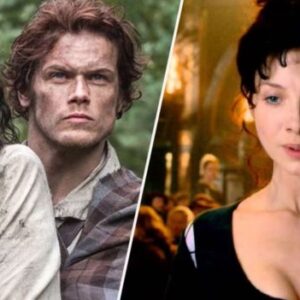
STARZ’s Outlander has rightfully earned widespread acclaim for its remarkably faithful adaptation of Diana Gabaldon’s sprawling historical fantasy novels. Bringing eighteenth-century Scotland to vivid life required meticulous attention to detail, costume design, and cultural nuance. However, because television has limited runtime compared to dense literary source material, several subtle narrative beats, character motivations, and background elements in Season 1 fly right past viewers who haven’t cracked open the books.
For devoted fans who traversed the pages before watching Claire Randall step through the standing stones of Craigh na Dun, several key moments and background details carried an extra layer of meaning that wasn’t fully spelled out on screen.
1. The Real Significance Behind Jamie’s Scarring
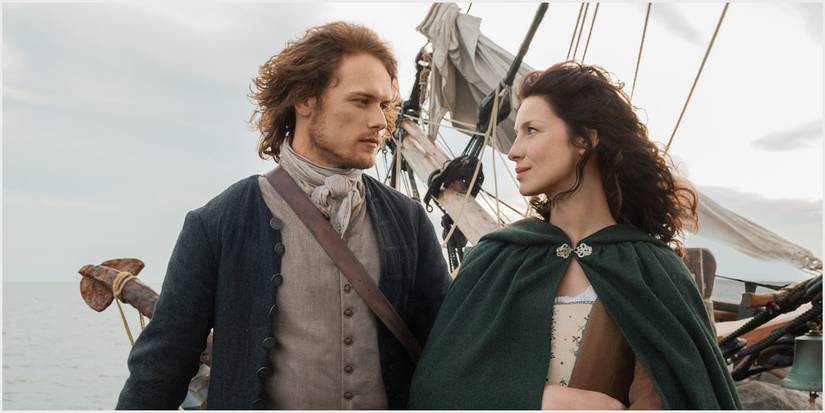
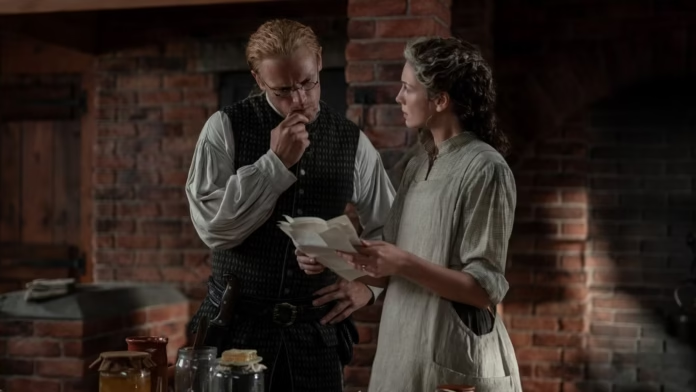
While viewers of the television series witness the brutal physical toll inflicted upon Jamie Fraser by Captain Jonathan “Black Jack” Randall—culminating in the harrowing events at Wentworth Prison—the books provide a much deeper psychological and historical context. On screen, Jamie’s back is famously a ruined landscape of crisscrossed scars, serving as a visceral emblem of his trauma. But Gabaldon’s novels delve further into how eighteenth-century Scottish clan culture and Jamie’s specific standing as an outlaw and laird’s son intersect with those wounds, elevating them from mere physical injuries to a complex symbol of lost honor, endurance, and his unbroken spirit against British oppression.
2. Claire’s Botanical Knowledge and 20th-Century Edge
In the television adaptation, Claire’s background as a World War II combat nurse is firmly established, explaining her composure around blood, trauma, and rudimentary medicine. However, the books offer a much richer explanation for her effortless mastery of eighteenth-century healing herbs and botany. In Gabaldon’s text, it is revealed that Claire spent years traveling alongside her eccentric uncle Lamb, an amateur historian and archaeologist who fostered in her an intense, academic curiosity about plant lore and natural remedies. This subtle literary backstory makes her rapid transition from a modern nurse to Castle Leoch’s trusted healer feel entirely organic, whereas casual viewers might gloss over how quickly she adapts to pre-industrial medicine.
3. The Unspoken Weight of Claire’s Wedding Ring

The moment Jamie places a makeshift ring fashioned from a castle key onto Claire’s finger is one of the most iconic romantic beats of Season 1. Yet, the literary text enriches this symbol with centuries of Highland custom and superstition. In the novel, wedding rings and marital tokens carried heavy cultural weight regarding protection, clan alliances, and spiritual binding. Knowing the deeper lore behind Highland marriage rituals makes Jamie’s vow and the makeshift key ring resonate with an even greater sense of permanence than what is captured in visual shorthand on screen.
4. Frank Randall’s Ancestry and the Shadow of BJR
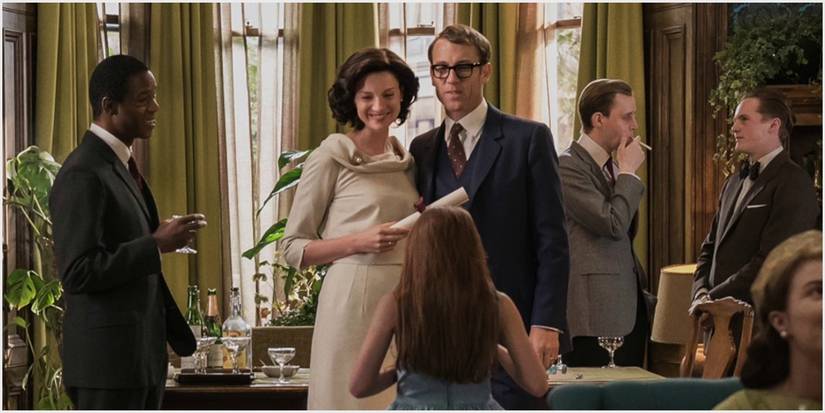
From the very opening episodes of Season 1, the uncanny resemblance between 20th-century historian Frank Randall and his sadistic 18th-century ancestor, Captain Jonathan Randall, creates an immediate psychological thriller element. While the show visually highlights this through Tobias Menzies’ dual performances, the books lean heavily into the philosophical and genealogical eerie coincidence of bloodlines. Readers gain a deeper internal monologue from Claire as she grapples with how two men sharing identical faces can possess souls standing at absolute opposite poles of humanity—a haunting thematic undercurrent that shapes her entire journey through time.
While Outlander remains a masterclass in book-to-screen adaptation, exploring Gabaldon’s original chapters continues to offer fans a rewarding layer of context, turning great television moments into unforgettable literary experiences.
Source: Compiled from various sources