When Daenerys Targaryen finally sets sail for Westeros at the end of Game of Thrones Season 6, nearly everyone who helped her reach that moment is by her side. But one of her most loyal companions is notably absent.
Daenerys (Emilia Clarke) had spent years dreaming of returning to Westeros and reclaiming the Iron Throne. By the Season 6 finale, she was finally ready to begin her conquest, departing Essos with Tyrion Lannister (Peter Dinklage), Missandei (Nathalie Emmanuel), Grey Worm (Jacob Anderson), a massive army of Dothraki and Unsullied, powerful Westerosi alliances, and her three dragons.
Yet Jorah Mormont (Iain Glen), one of Daenerys’ closest and most devoted allies, was nowhere to be seen.
Why Was Jorah Mormont Missing?
Jorah first appeared in the Game of Thrones pilot, “Winter Is Coming,” and quickly became one of Daenerys’ most trusted advisers. He shared her connection to Westeros and often helped protect her as she navigated the dangers of Essos.
After Khal Drogo’s death and the birth of Daenerys’ dragons, Jorah remained at her side through her journey across the Red Waste, the trials of Qarth, and the liberation of Astapor, Yunkai, and Meereen.
However, their relationship was shattered when Ser Barristan Selmy discovered that Jorah had previously spied on Daenerys in exchange for the possibility of receiving a pardon from King Robert Baratheon.
Although Jorah eventually abandoned his mission and became genuinely devoted to Daenerys, she still banished him for his betrayal.
Determined to earn back her trust, Jorah later kidnapped Tyrion, believing that bringing a Lannister to Daenerys might help him regain her favor. But the journey to Meereen came with another devastating setback: Jorah contracted Greyscale.
After reaching Meereen, Jorah and Daario Naharis searched for Daenerys after she fled the city on Drogon. When they eventually found her in Vaes Dothrak, Jorah revealed that he had contracted the deadly disease.
Daenerys tearfully ordered him to leave and find a cure.
That mission kept Jorah away from Daenerys for much of Season 6, meaning he was unable to join her when she finally embarked on her long-awaited journey to Westeros.
Jorah’s Absence Was More Important Than It Seemed
Jorah eventually found his way back to Daenerys thanks to Samwell Tarly, who discovered a way to cure his Greyscale while Jorah was staying at the Citadel in Oldtown.
Once cured, Jorah returned to Daenerys and continued serving her during her campaign in Westeros and the war against the undead.
His loyalty ultimately cost him his life.
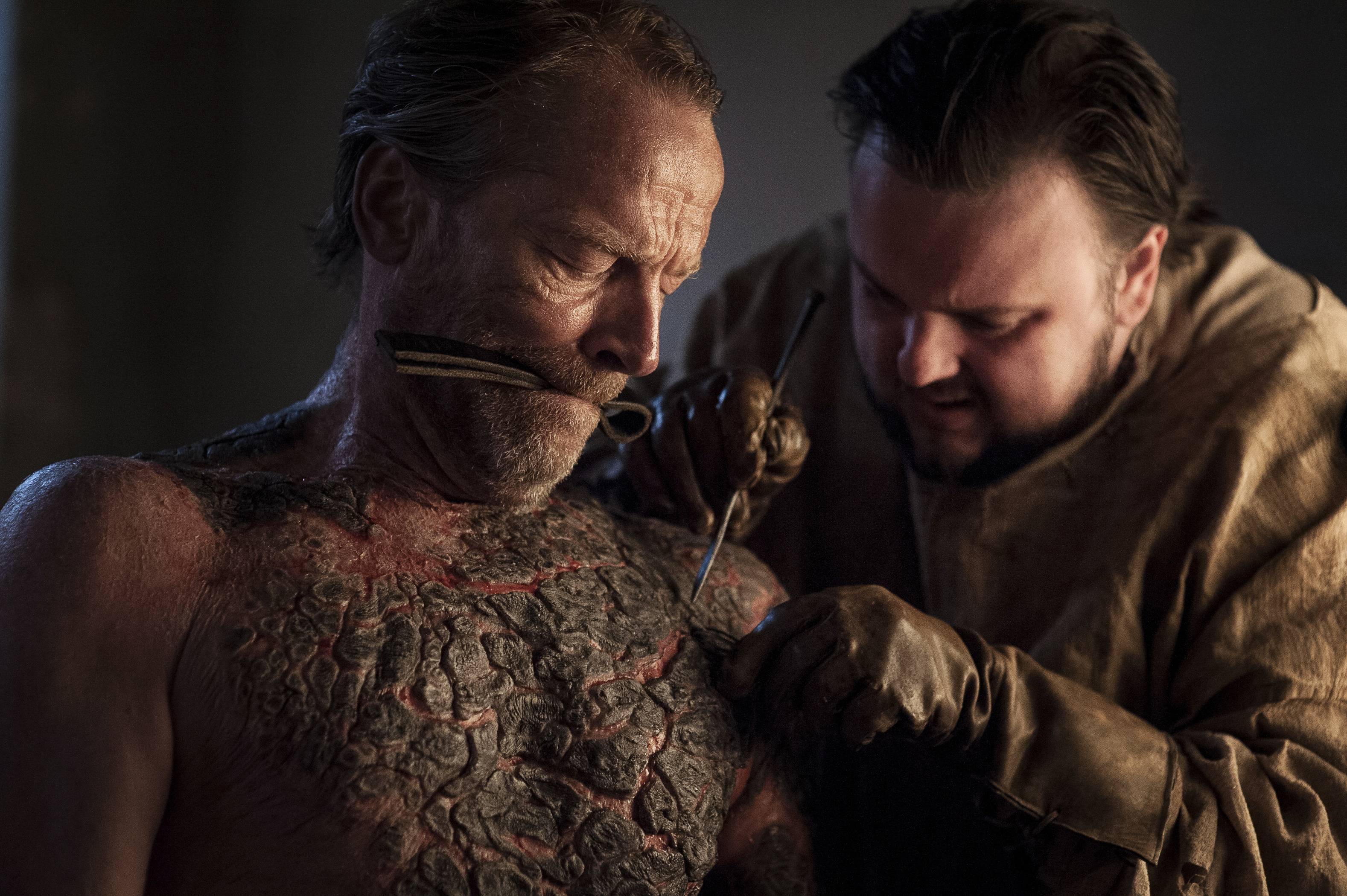
During the Battle of Winterfell, Jorah died defending Daenerys from the wights. His final moments came while protecting the woman he had devoted much of his life to.
In that sense, his death offered Jorah a tragic but fitting conclusion. He died protecting Daenerys and never had to witness the destruction that would eventually define her final days.
After the Battle of Winterfell, Daenerys descended into a brutal campaign against King’s Landing, destroying much of the city and killing both Lannister soldiers and innocent civilians. She was later killed by Jon Snow (Kit Harington) before she could ever sit on the Iron Throne.
Had Jorah survived, he would have been forced to watch his beloved queen become something far different from the woman he had spent years protecting.
Missing Daenerys’ Departure Was Jorah’s Last Consequence
Jorah’s absence from Daenerys’ triumphant departure also serves another purpose in the larger story.
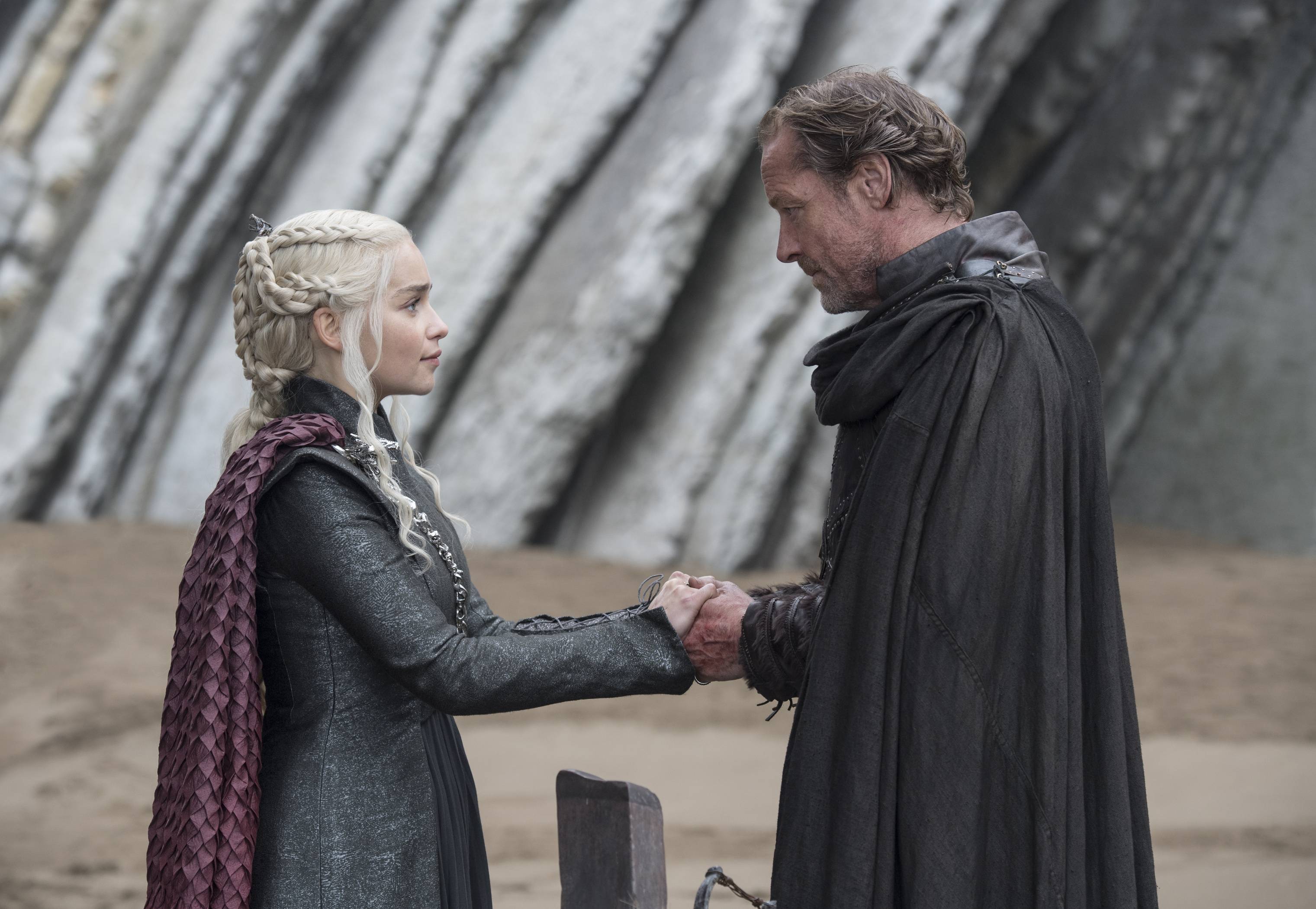
Although Daenerys eventually forgave him and his Greyscale was cured, Jorah never completely escaped the consequences of his original betrayal.
His punishment was not permanent exile or an early death. Instead, it was something much more symbolic: he missed the moment that brought Daenerys’ entire Essos journey to its climax.
The Season 6 finale presents Daenerys at the height of her power. She leaves Essos with her armies, allies, dragons, and advisers, finally ready to claim the homeland she had spent years trying to reach.
Jorah, despite having played a crucial role in that journey, is missing from the picture.
Narratively, that absence works as a lingering consequence for his earlier betrayal. His banishment did not last, his illness was cured, and he ultimately died a hero. But he still missed the triumphant moment that marked the end of Daenerys’ Essos story.
For a character who wanted nothing more than to stand beside Daenerys, that small omission carries considerable weight.
Source: Compiled from various sources