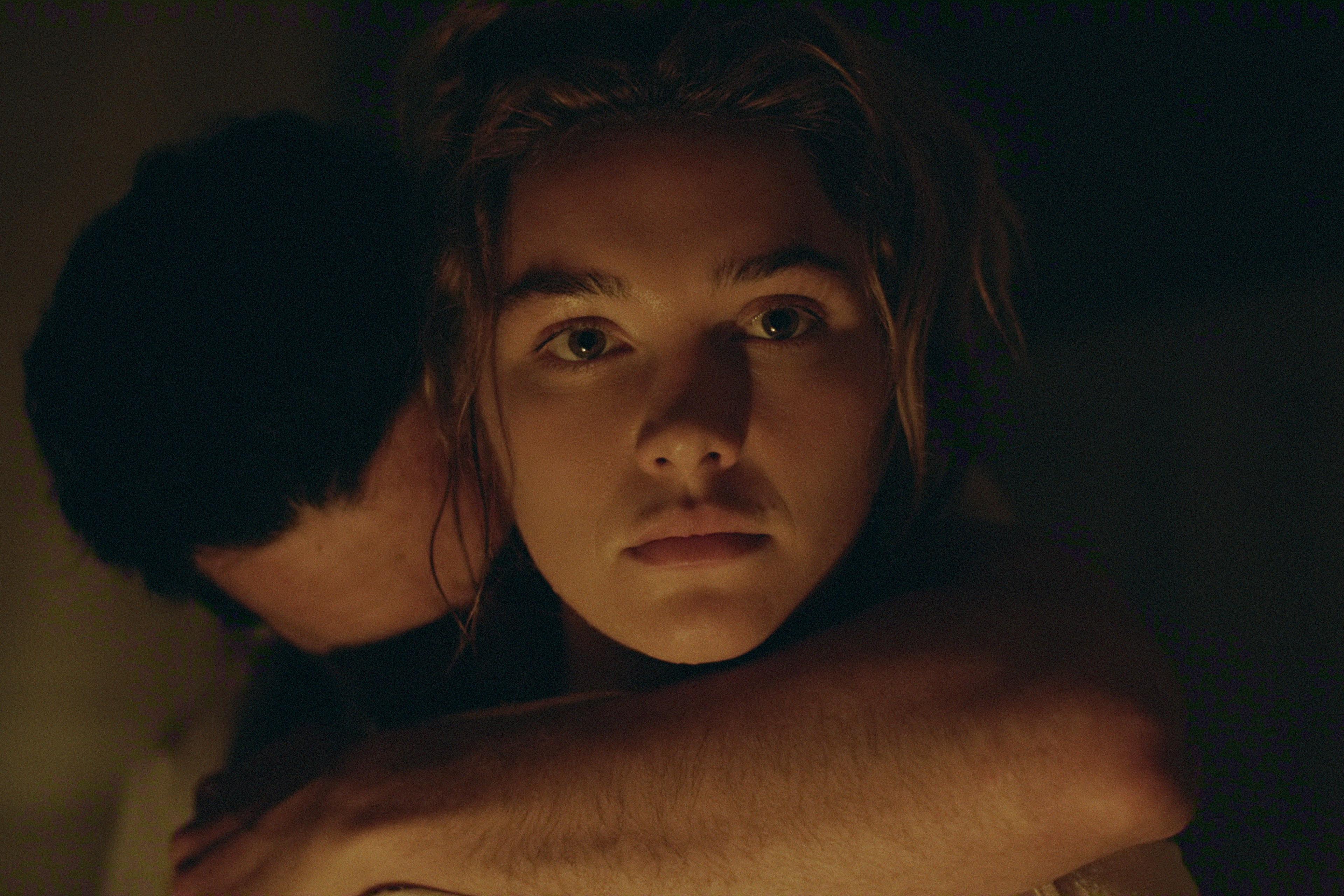
Netflix’s East of Eden takes one of John Steinbeck’s most infamous characters and asks viewers to see her in a radically different light. Rather than simply portraying Cathy Ames as the embodiment of evil, Zoe Kazan’s seven-episode adaptation explores the experiences that shaped her, while remaining closely connected to the character Steinbeck created.
Florence Pugh’s performance is central to that approach. Her Cathy is still capable of cruelty, manipulation and violence, but the series encourages viewers to consider what might have driven her desperate pursuit of freedom.
Cathy Ames Was Once Viewed as Pure Evil
When Steinbeck published East of Eden in 1952, Cathy was widely regarded as one of literature’s most disturbing female characters.
Her actions certainly supported that interpretation. She contributes to a man’s suicide, kills her parents as a teenager, betrays her husband by sleeping with his brother, abandons her newborn twins and later becomes involved in the violent world of a brothel.
Yet Kazan’s adaptation asks a different question: What if Cathy’s choices were not simply the actions of someone born evil, but the desperate decisions of a woman attempting to escape the circumstances surrounding her?
That does not excuse what Cathy does. Instead, the series attempts to understand her.
Kazan’s approach gives Cathy the same emotional complexity traditionally afforded to male characters. Rather than turning her into a sympathetic antihero, the series makes an effort to show the person behind her actions and allow viewers to understand why she became who she was.
Pugh’s performance strengthens that interpretation. Her Cathy remains frightening and often deeply selfish, but she is also presented as someone whose experiences have profoundly shaped her view of the world.
The Series Puts Viewers Inside Cathy’s Perspective
The adaptation immediately signals its different approach with its opening scene.
Instead of beginning with Steinbeck’s slower introduction to California, the series jumps forward to a later moment in Cathy’s life. Viewers see her badly beaten, crawling toward the Trask family farmhouse.
As Cathy approaches, she delivers words drawn from Steinbeck’s own description of her, including the idea that what appears monstrous to one person may simply be normal to another.
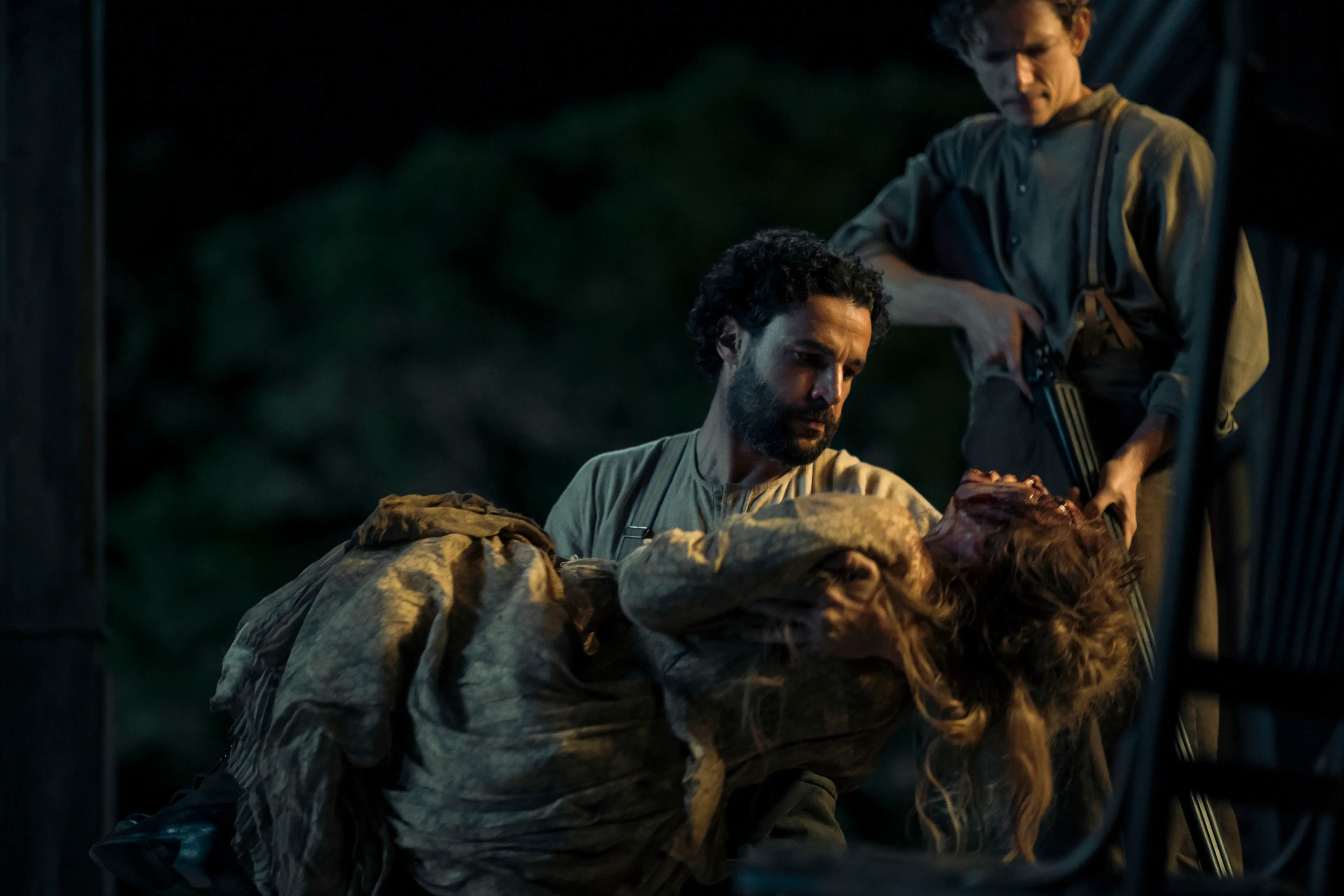
The major change is that Kazan places those words in Cathy’s own voice.
That choice establishes one of the series’ central ideas: Cathy is not simply being observed by the audience. For much of the story, the audience is encouraged to experience the world from her perspective.
The story then moves backward, introducing Adam Trask, played by Christopher Abbott, and his brother Charles, played by Mike Faist, before Cathy eventually enters their lives.
Cathy’s Childhood Helps Explain Her Worldview
One of the most significant changes in the adaptation comes in its depiction of Cathy as a child.
At five years old, she is shown reading Alice in Wonderland when an older boy approaches her with candy and encourages her to follow him into the woods.
The moment becomes an important turning point in the series. Cathy chooses to follow him, but what happens afterward has a profound effect on her understanding of other people.
The series later confirms that she was sexually assaulted.
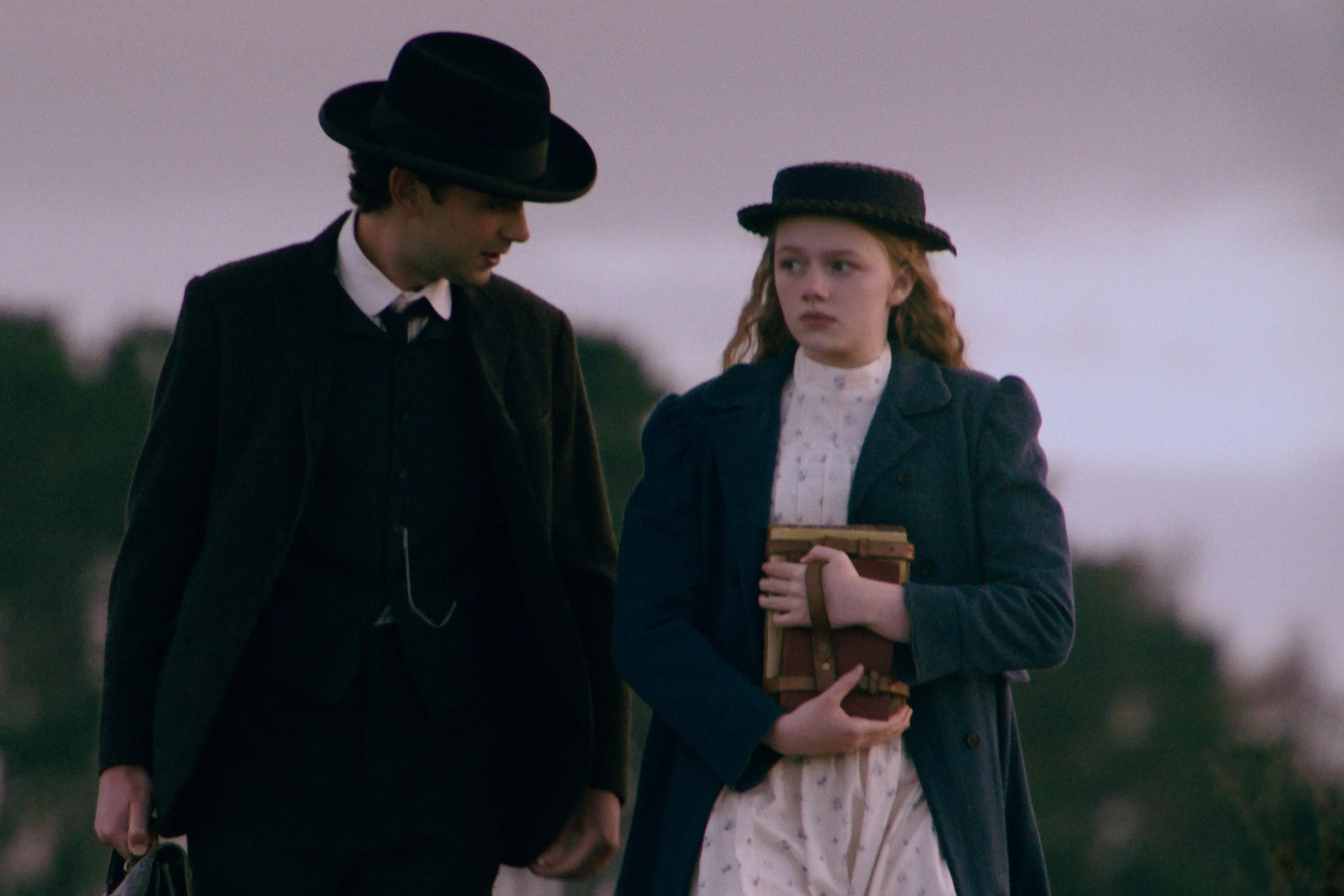
Pugh has said that this part of Cathy’s story was one of the reasons she was drawn to the role. For the actress, it showed a child whose sense of safety and trust was fundamentally destroyed by abuse.
As Cathy grows older, she becomes increasingly determined to control her own life. The people around her repeatedly attempt to possess or control her, including her parents, a schoolteacher and later the men in her life.
Her response is often destructive.
But the series emphasizes that, from Cathy’s perspective, escaping control is always the goal.
Freedom Becomes Cathy’s Obsession
By the time Cathy reaches the Trask family after narrowly escaping a dangerous situation involving a pimp, she is physically and emotionally damaged.
Adam takes care of her, and eventually marries her despite the warnings and complications surrounding their relationship.
Cathy becomes pregnant with twins, but the circumstances of the pregnancy create another layer of conflict. She ultimately escapes again, leaving Adam devastated.
Later, she becomes involved with Faye, the madam who takes her in and eventually makes Cathy her heir. But even Faye’s generosity comes with restrictions, particularly around Cathy’s ability to earn her own money.
Once again, Cathy feels trapped.
Her philosophy becomes increasingly clear: economic independence is inseparable from freedom.
The series does not suggest that Adam or Faye deserve the suffering Cathy causes them. Instead, it presents them as people who fail to understand just how desperately Cathy reacts to any attempt to control her.
Cathy Isn’t Simply a Chaotic Villain
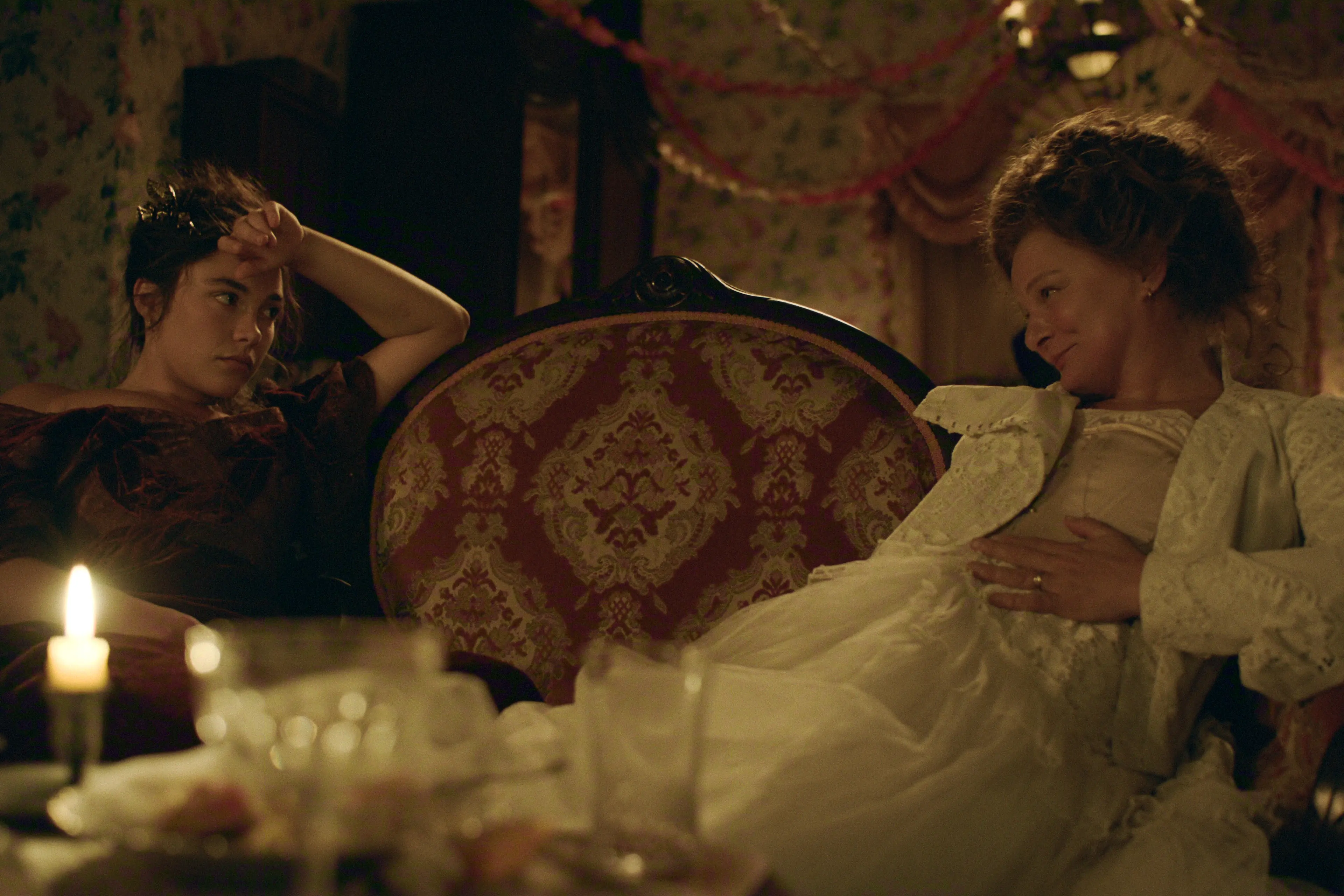
One of the more interesting aspects of Kazan’s interpretation is that Cathy is not portrayed as randomly cruel.
Even after taking control of Faye’s brothel under the name Kate, she establishes strict rules and enforces them consistently. The women working there may not receive affection from her, but they know what to expect and are protected from arbitrary punishment.
Her harshest behavior is often directed toward hypocritical men who publicly present themselves as respectable while privately visiting the brothel and indulging in behavior they condemn in others.
That distinction complicates the traditional image of Cathy as someone who simply enjoys causing pain.
She remains capable of terrible acts, but the series gives those actions a logic rooted in the worldview she developed during childhood.
Steinbeck Himself Left Cathy Open to Interpretation
Kazan’s interpretation is also supported by something surprisingly ambiguous in Steinbeck’s own writing.
As the novel progresses, Steinbeck appears to question his own judgment of Cathy. He acknowledges that he cannot completely know what she wanted or whether her actions were driven by a desire to move toward something or escape from something.
That uncertainty leaves room for the interpretation that Kazan and Pugh bring to the Netflix adaptation.
Rather than declaring Cathy innocent, the series embraces the idea that understanding a character does not necessarily mean forgiving her.
The distinction is important.
Cathy can be responsible for terrible things while still being a person whose motives are more complicated than simple evil.
Florence Pugh Brings Cathy’s Inner Life to the Screen
Pugh’s performance becomes especially powerful as Cathy approaches the end of her life.
The series increasingly connects her with Charles and with her son Cal, played by Joseph Zada. All three characters struggle with selfish impulses, but their circumstances lead them down very different paths.
Charles has the security of the family farm, while Cal grows up with the guidance of Lee, played by Hoon Lee, and eventually receives his father’s blessing to choose a better life.
Cathy never receives that same opportunity.
As her story approaches its conclusion, she begins experiencing hallucinations involving Charles. Her final vision takes her back to the young girl she once was—the child in the Alice in Wonderland dress, before her experiences changed her forever.
Pugh’s performance in the sequence allows the character’s suppressed emotions to finally surface.
The moment also reinforces one of the adaptation’s most striking ideas. Steinbeck’s Cathy has traditionally been viewed as a kind of Satanic figure, but Kazan instead draws parallels between Cathy, Eve and Alice.
She is still responsible for the destruction surrounding her, but the series asks viewers to consider the possibility that the monster was never the whole story.
Netflix’s East of Eden ultimately does not attempt to erase Cathy Ames’ darkness. Instead, it gives that darkness a human context—and, in doing so, creates a version of the character that feels both faithful to Steinbeck and distinctly reimagined for a modern audience.
Source: Compiled from various sources


