If you’ve been on Netflix recently, you’ve probably noticed House of Guinness, which is trending in the top 10 in the US. From Steven Knight, the creator of Peaky Blinders, comes another drama about a dysfunctional family. This time, Knight trades 1900s Birmingham for 19th-century Dublin to tell the story of the Guinness family, one of Europe’s most famous and enduring dynasties.
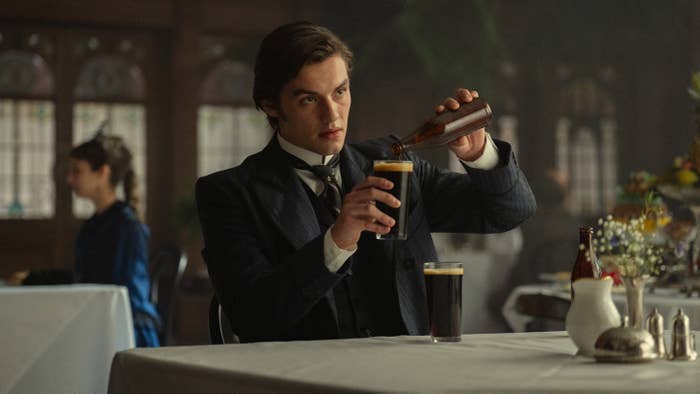
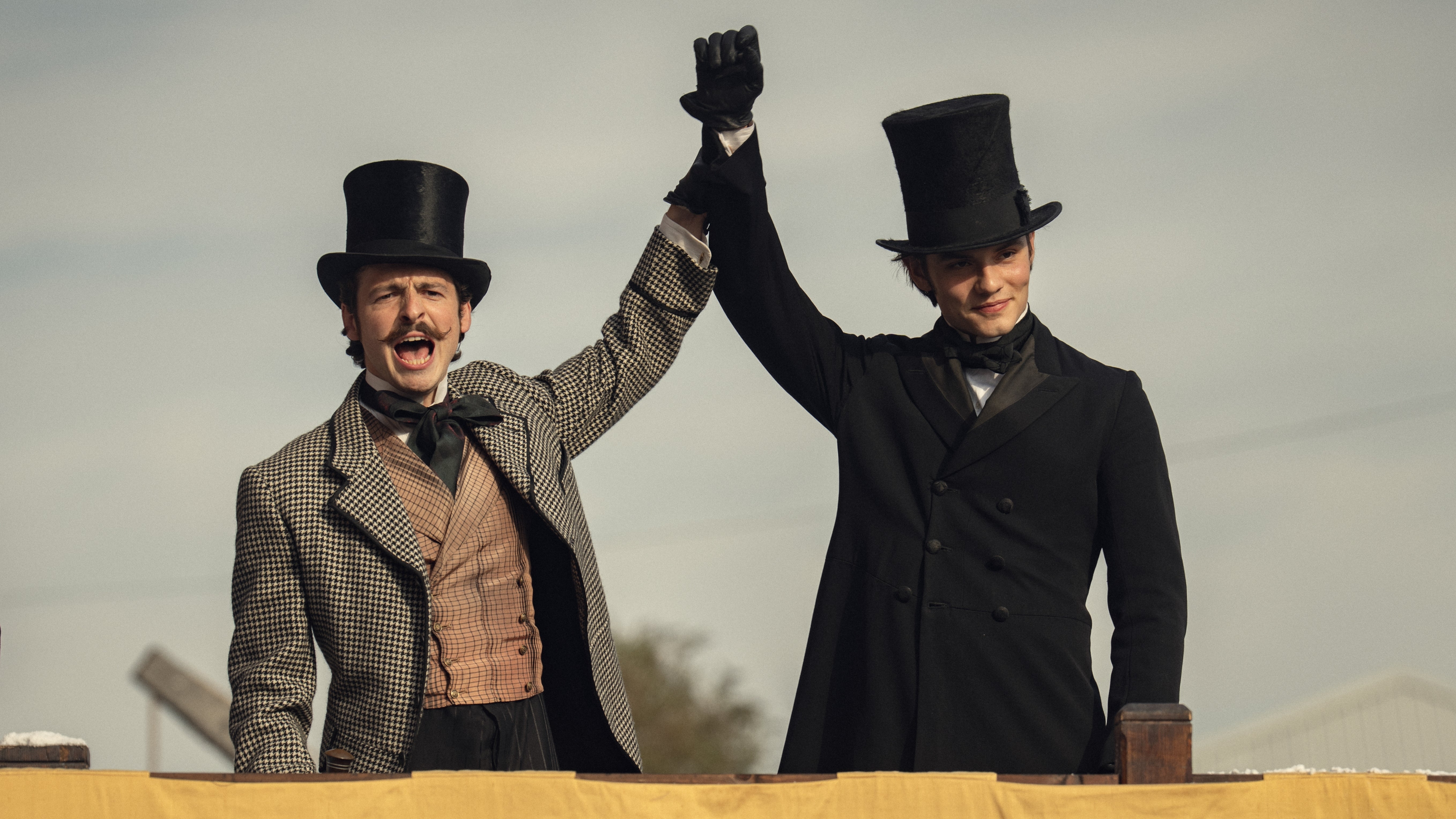
House of Guinness begins in the aftermath of Sir Benjamin Guinness’s death. Credited with the success of the Guinness brewery, his death has a huge impact on his four adult children, Arthur (Anthony Boyle), Edward (Louis Partridge), Anne (Emily Fairn), and Benjamin (Fionn O’Shea), as well as the people who work and interact with the phenomenon that is Guinness.
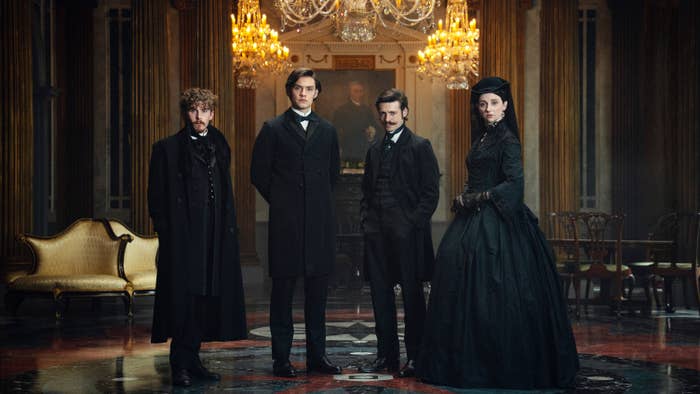
So, in case you’re like me and want to know more about the real Guinness family that’s depicted in House of Guinness (and what the show got right and wrong), here are 17 real-life facts:
There are obviously spoilers ahead for House of Guinness Season 1!
1. First, while House of Guinness begins with the death of Sir Benjamin Guinness, the story of the family actually starts with Arthur Guinness in 1759, when he founded the brewery. Namely, he notably signed a 9,000-year lease for the then-disused brewery at St. James’s Gate in Dublin for an annual rent of £45. According to Guinness, at the time the property comprised “four acres with a copper, a kieve, a mill, two malthouses, stabling for twelve horses, and a loft to hold 200 tons of hay.”
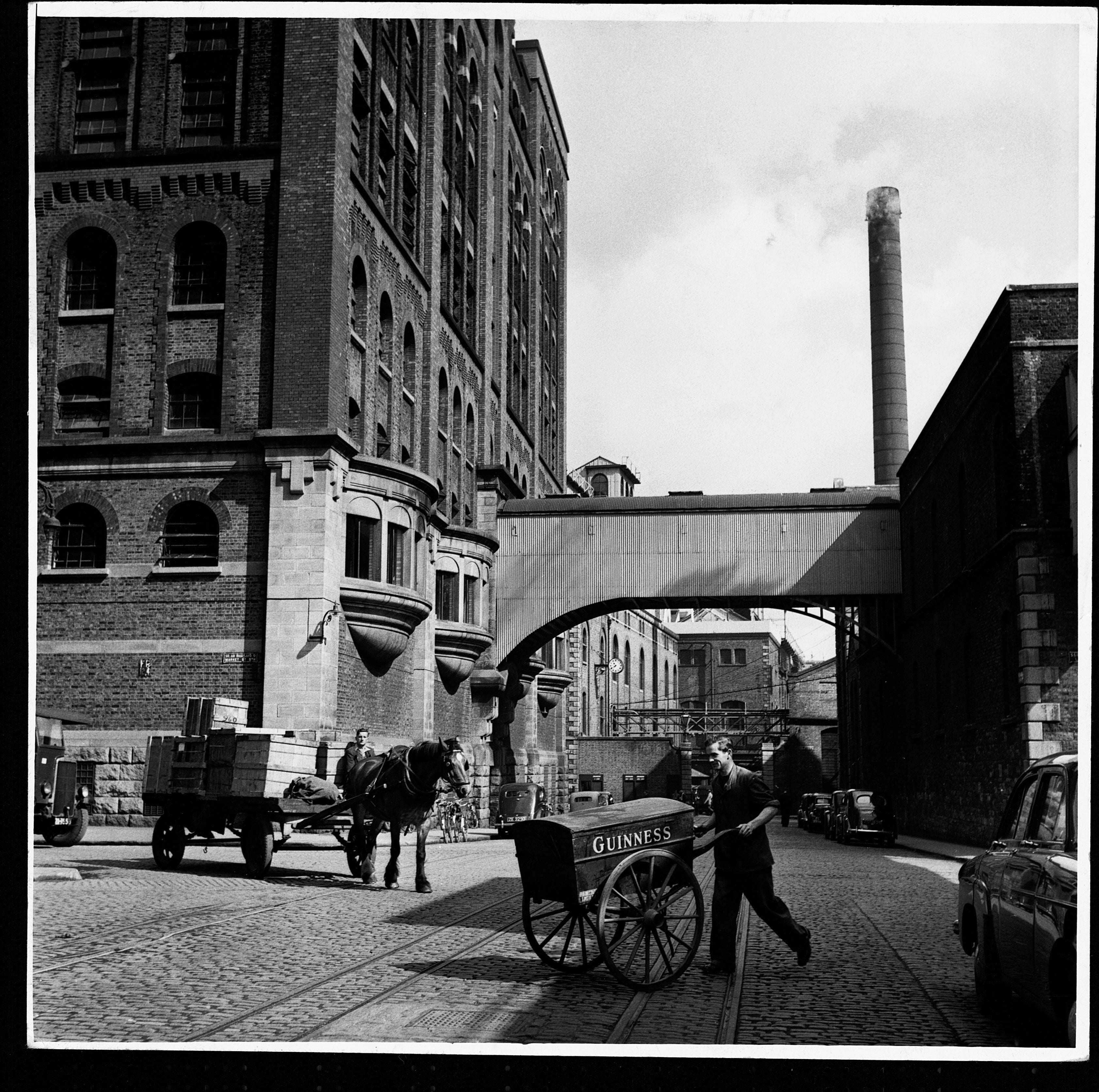
2. Following Sir Benjamin Lee Guinness’s death in 1868, aka when House of Guinness begins, his will stated that he left the brewery to Arthur and Edward, and they were instructed to carry on the Guinness brewery together. According to the book, Guinness: A Family Succession, per Town & Country, he specified that “if one brother wanted out or was declared bankrupt, then his share passed to the other.”
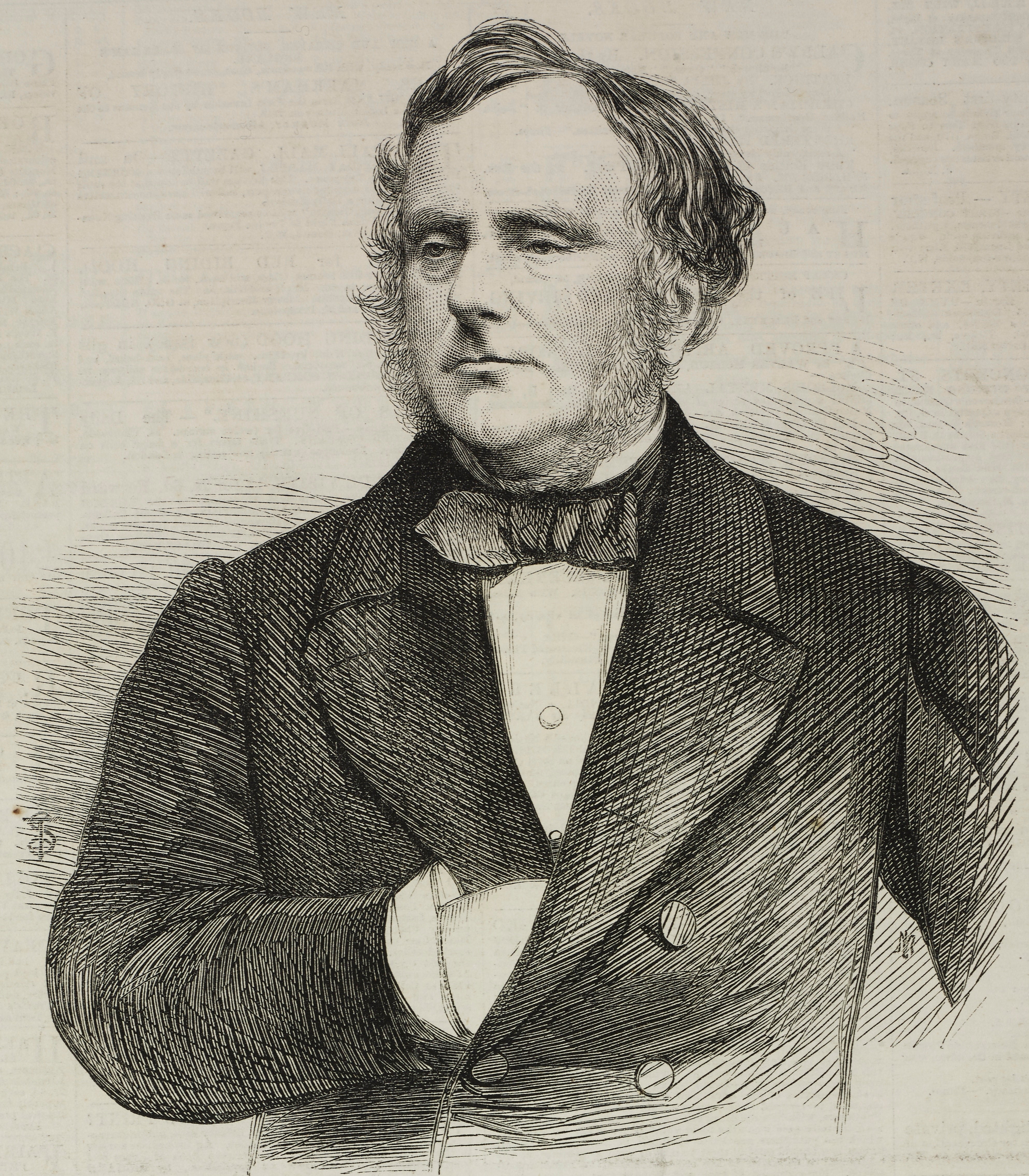
3. At the time, Benjamin’s will was reported to be the biggest in Ireland, with his estate estimated at about £1.1 million at the time. In his will, he also allocated the properties to his various children. According to Guinness: A Family Succession, Benjamin left the family home at St. Anne’s to Arthur. The Kerry, Limerick, and Kilkenny estates were inherited by Benjamin Lee, aka Lee. “No. 80,” which was the home at 80 St. Stephen’s Green, was left to Edward, alongside the property and mills in Kilmainham, which was west of St. James’s Gate.
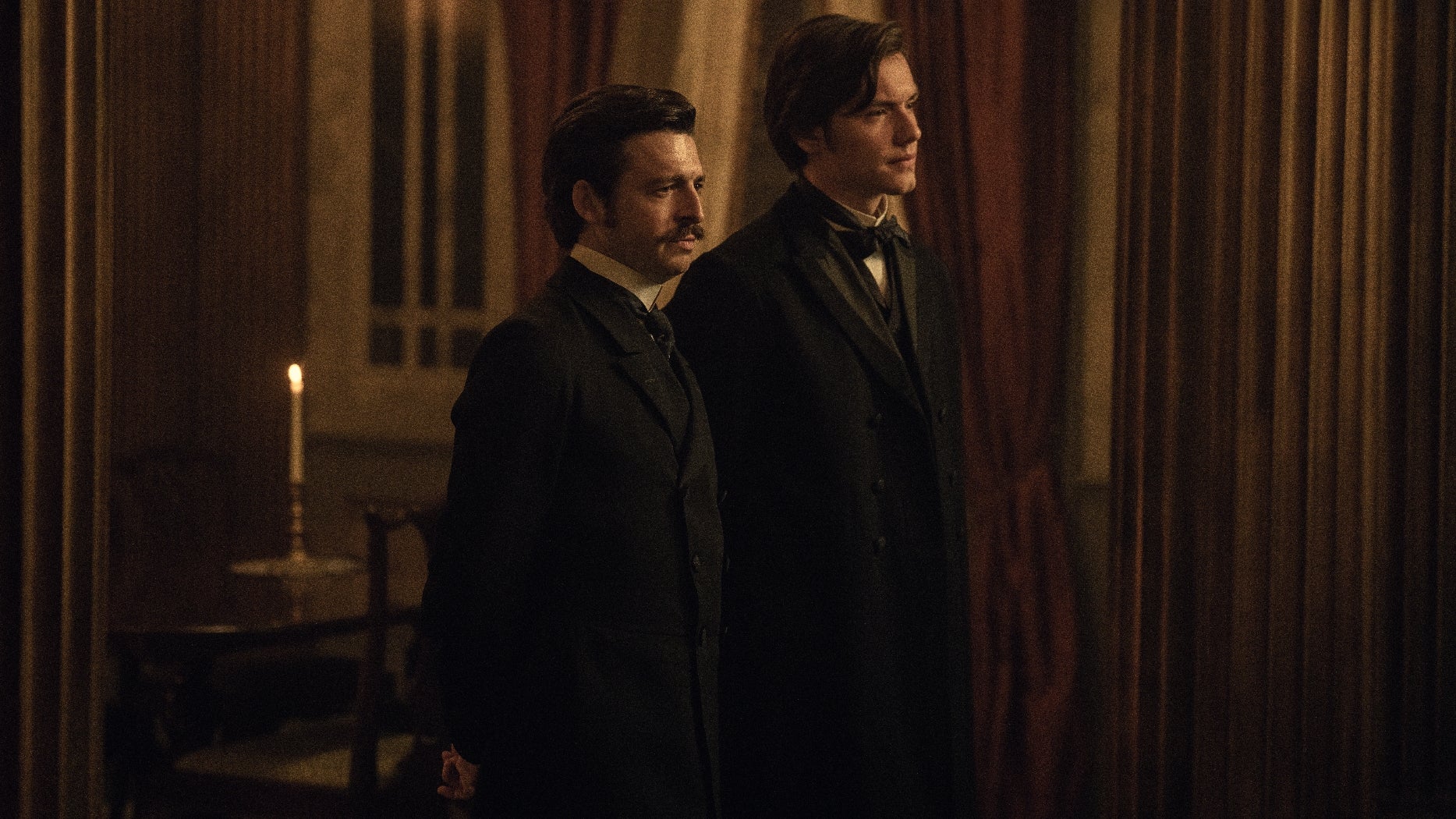
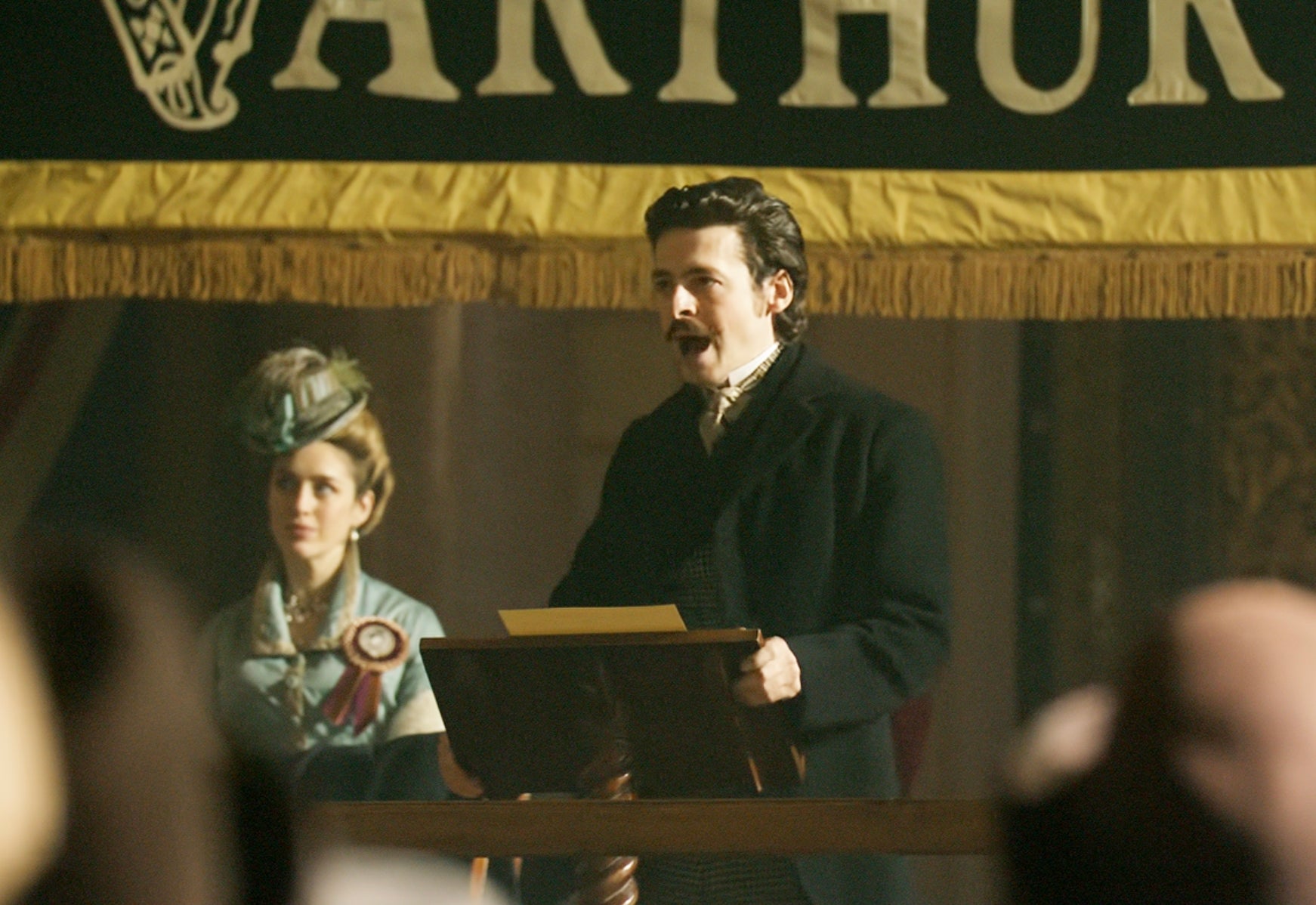
4. Arthur Guinness and Lady Olivia Charlotte Hedges-White were married in 1871; however, they did not have any children. In The Guinnesses: The Untold Story of Ireland’s Most Successful Family, it’s speculated that Arthur was gay, which is depicted in House of Guinness. Author Joe Joyce writes that Arthur and Olivia were “arranged in advance as a marriage blanche, meaning there would be no sex, implying strongly that Sir Arthur was gay.”
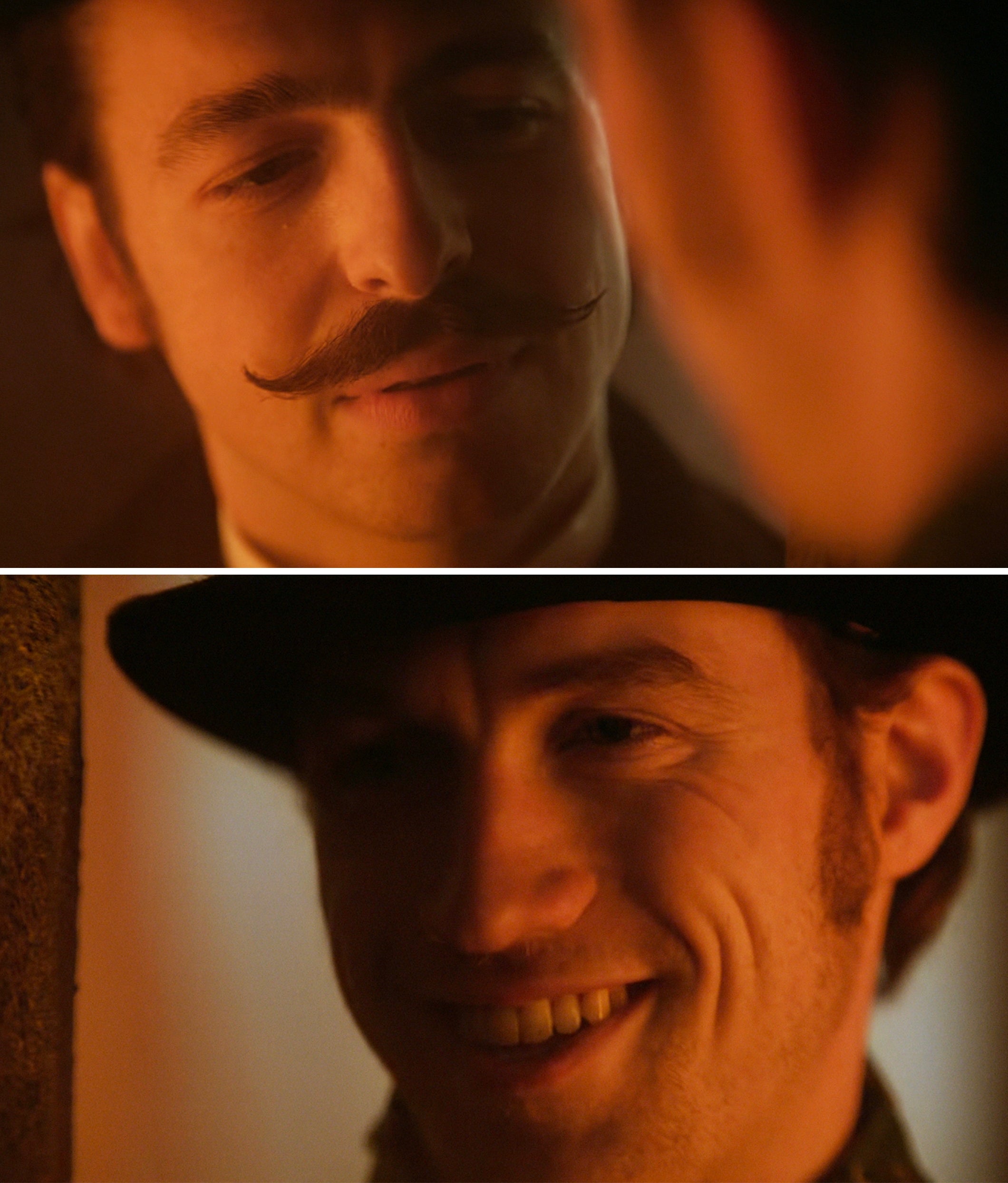
5. In 1868, Arthur Guinness was elected a Conservative Member of Parliament for Dublin. Ultimately, he only held the seat for a year, as his election was “void,” according to transcripts from the UK parliament. He was accused of bankrolling people to bribe freemen, aka protestants who had inherited voting rights. Per the transcript, “Mr. Justice Keogh reported that eleven freemen, who were named, had received bribes, and that there was evidence that between twenty and thirty, whose names he could not give, had also received bribes.” It continued, saying “over 200 freemen” had reportedly agreed to serve Arthur in exchange for payment.
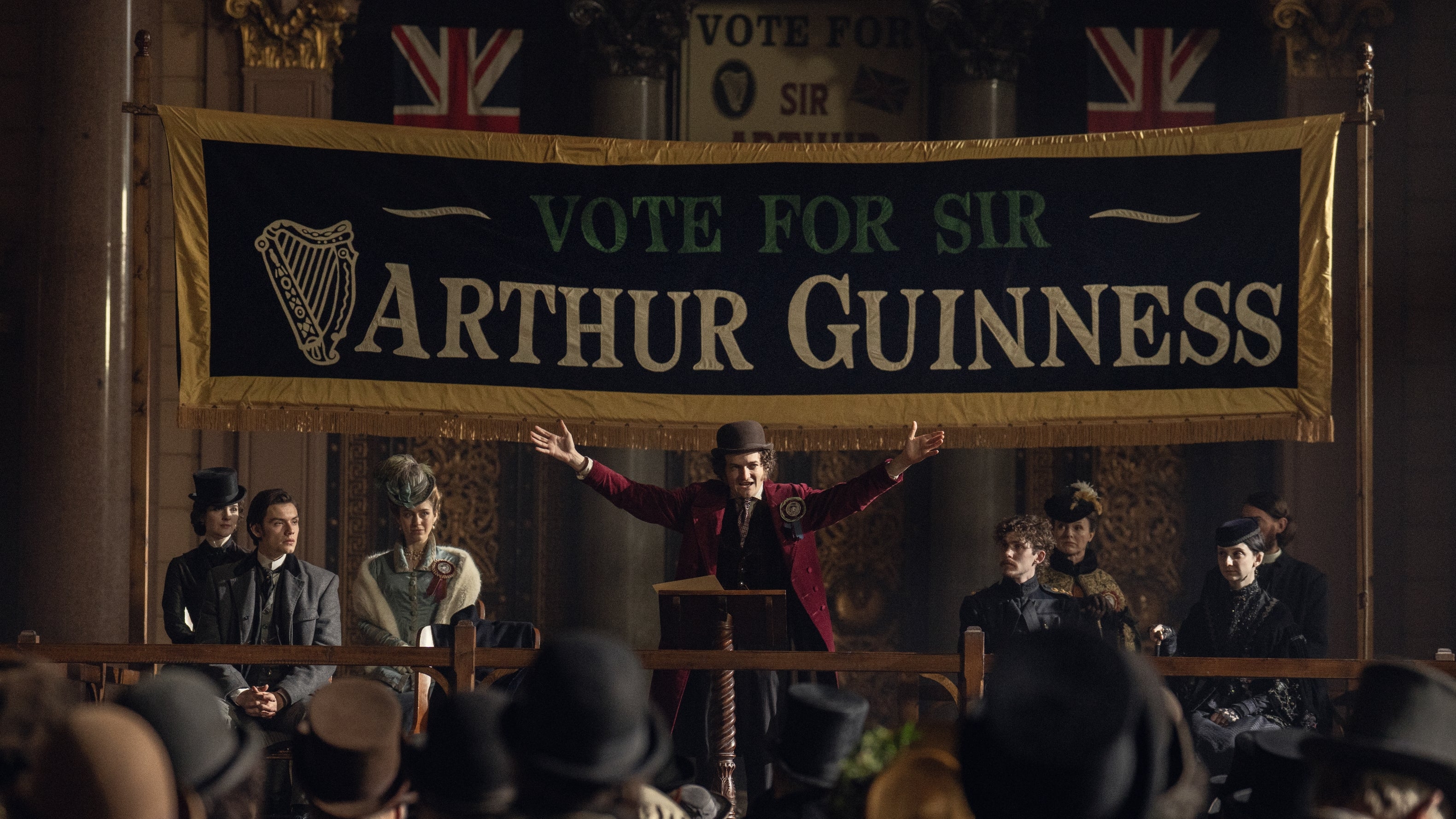
6. Author Joe Joyce in The Guinnesses: The Untold Story of Ireland’s Most Successful Family suggests that Lady Olivia was the reason that Arthur ultimately left the Guinness company in 1876 to focus on politics. It was then that he was elevated to Baron Ardilaun of Ashford in the County of Galway, according to the London Gazette in April 1880. He became known as Arthur Guinness, 1st Baron Ardilaun.
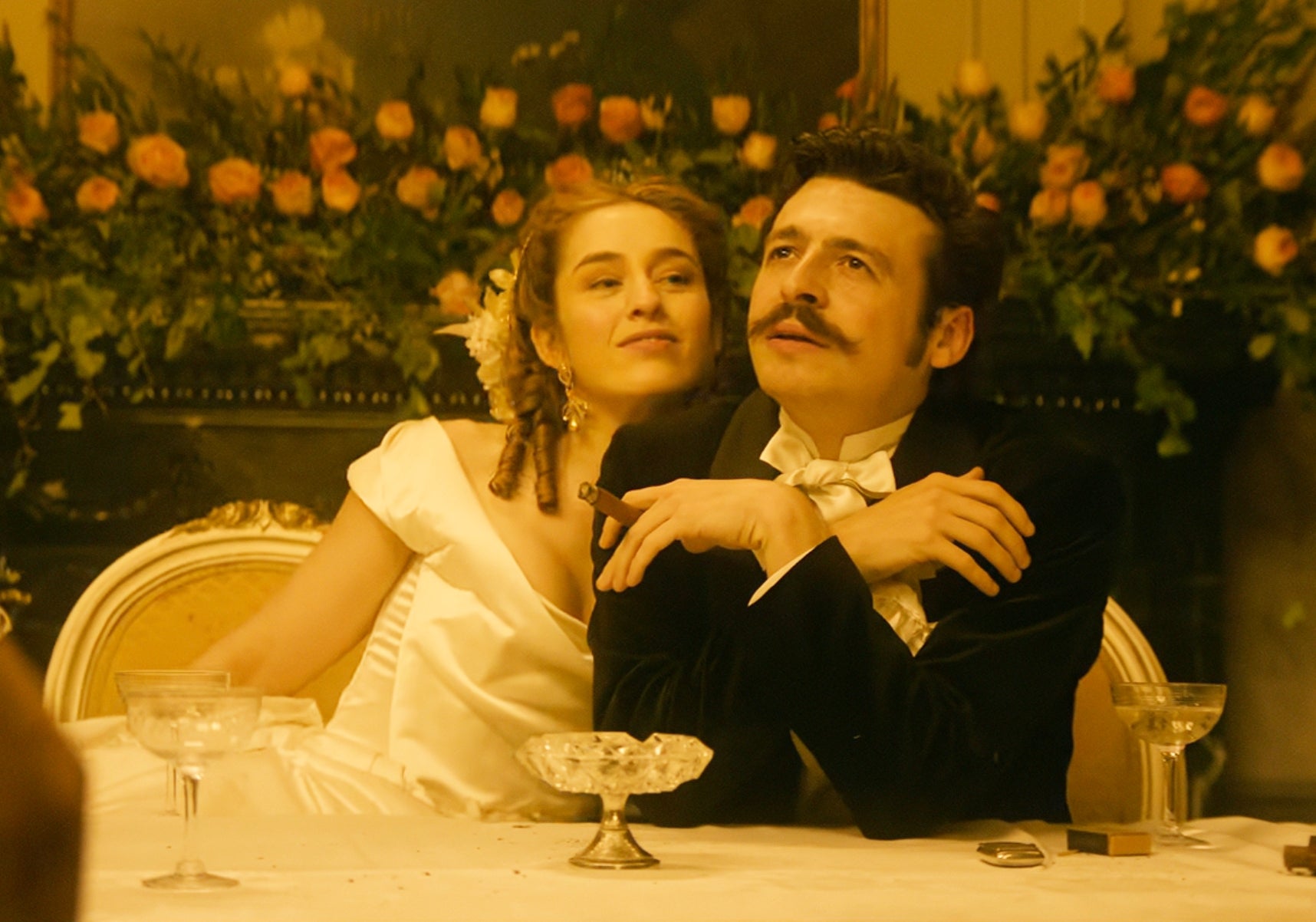
7. When Arthur left the company, Edward Guinness bought out his older brother’s share for a reported £600,000. Edward is credited with expanding the brewery into the global phenomenon that it became. At age 29, he became the sole owner of the company. By 1879, under Edward’s leadership, Guinness was reportedly brewing 565,000 hogsheads of stout. One hogshead of beer is roughly 54 gallons.
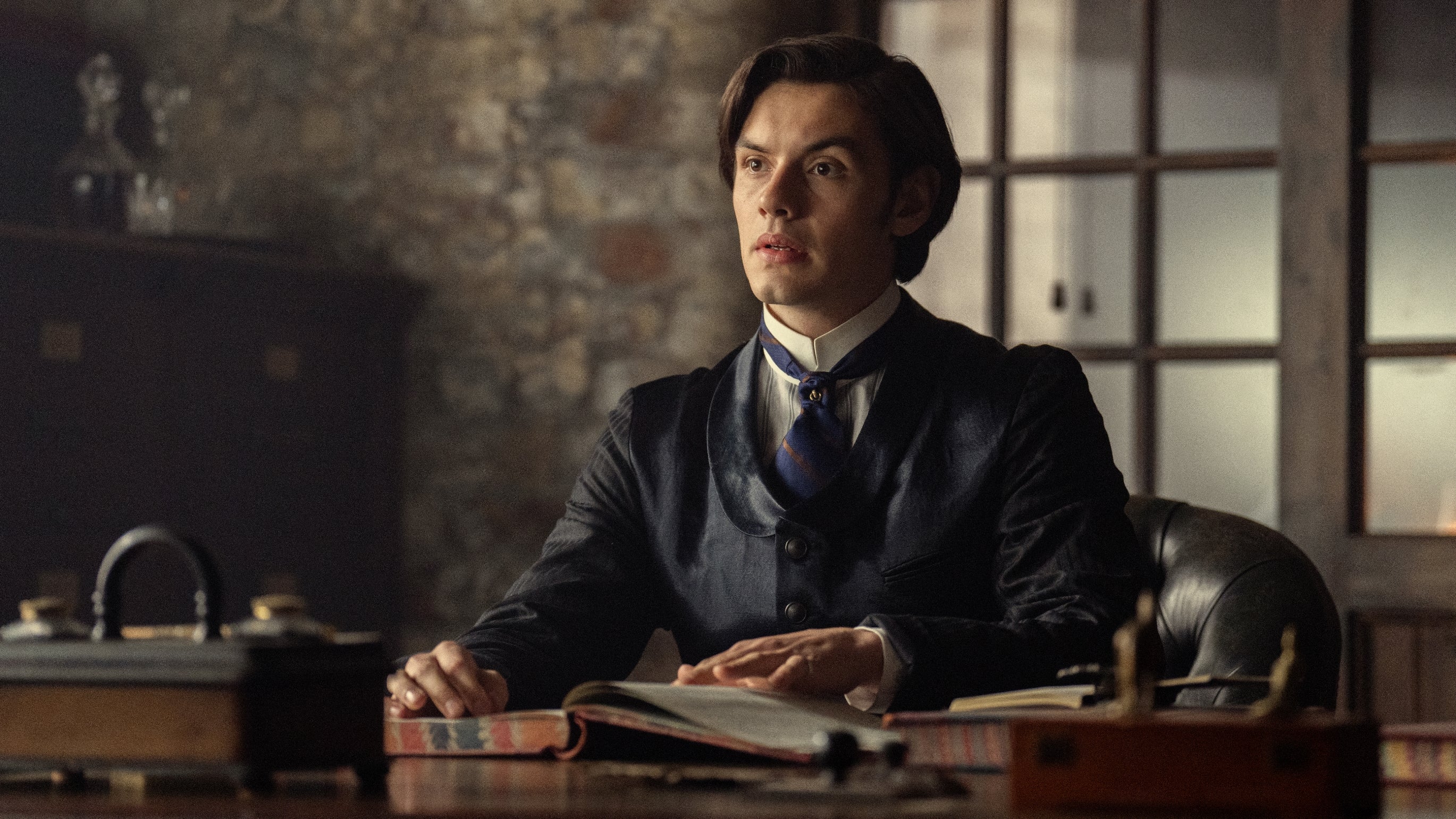
8. Edward is notably known for taking the Guinness company public on the London Stock Exchange in 1886. At the time, Edward sold a 65% stake in the company for “an initial public offering for six million pounds, valuing the company at about 9.23 million pounds,” according to Yahoo Finance. This move made him the richest man in Ireland at the time.
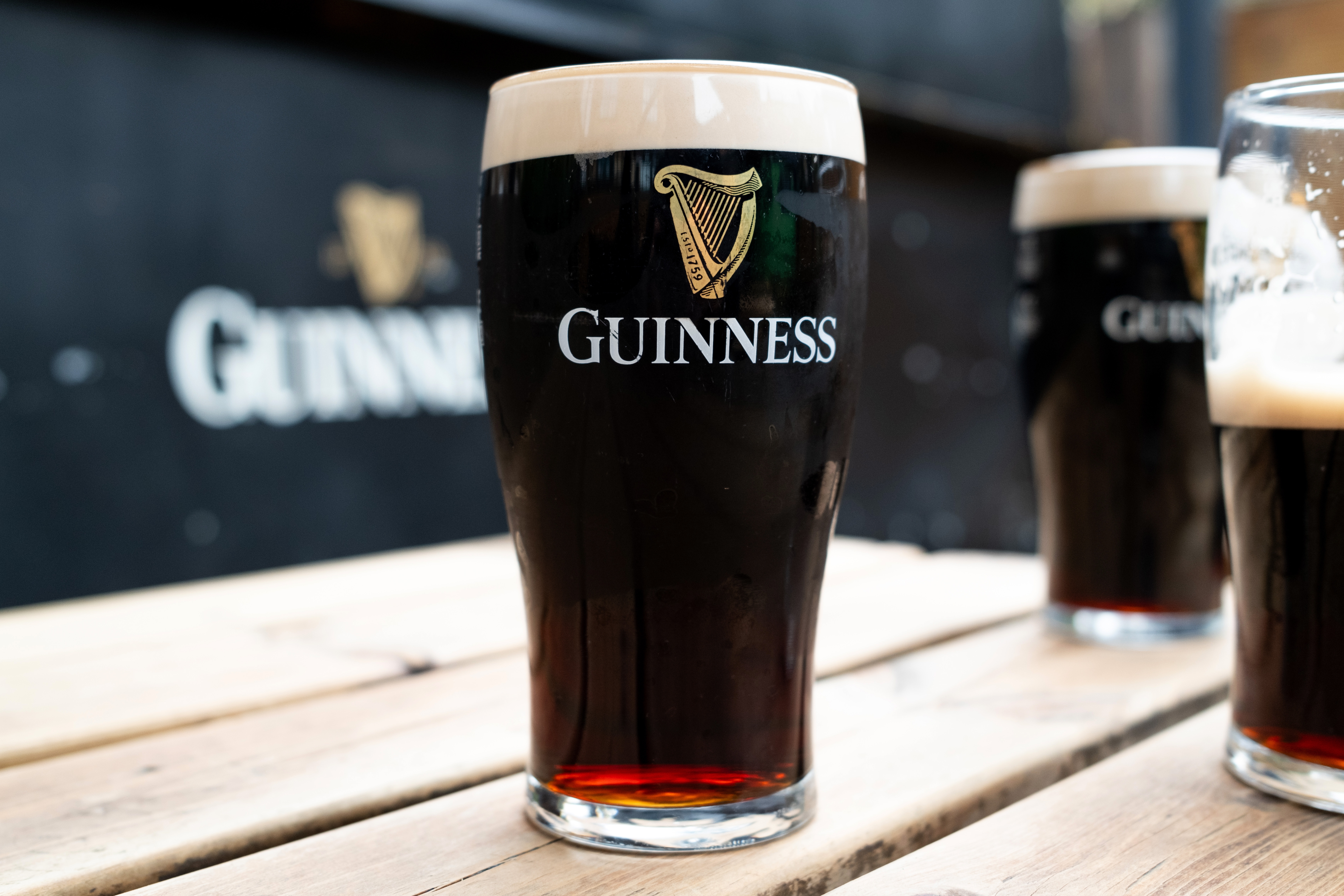
9. In 1862, Guinness began using its signature harp on labels as a way to identify Guinness as an Irish beer, as it began to expand outside of Dublin. The Guinness Harp is based on the Brian Boru Harp, a symbol of Irish culture and the arts that is currently on display at Trinity College. In 1876, Guinness trademarked the harp. Therefore, when the Irish Free State chose the same harp as its emblem in 1922, the harp had to be flipped, as Guinness owned the trademark.
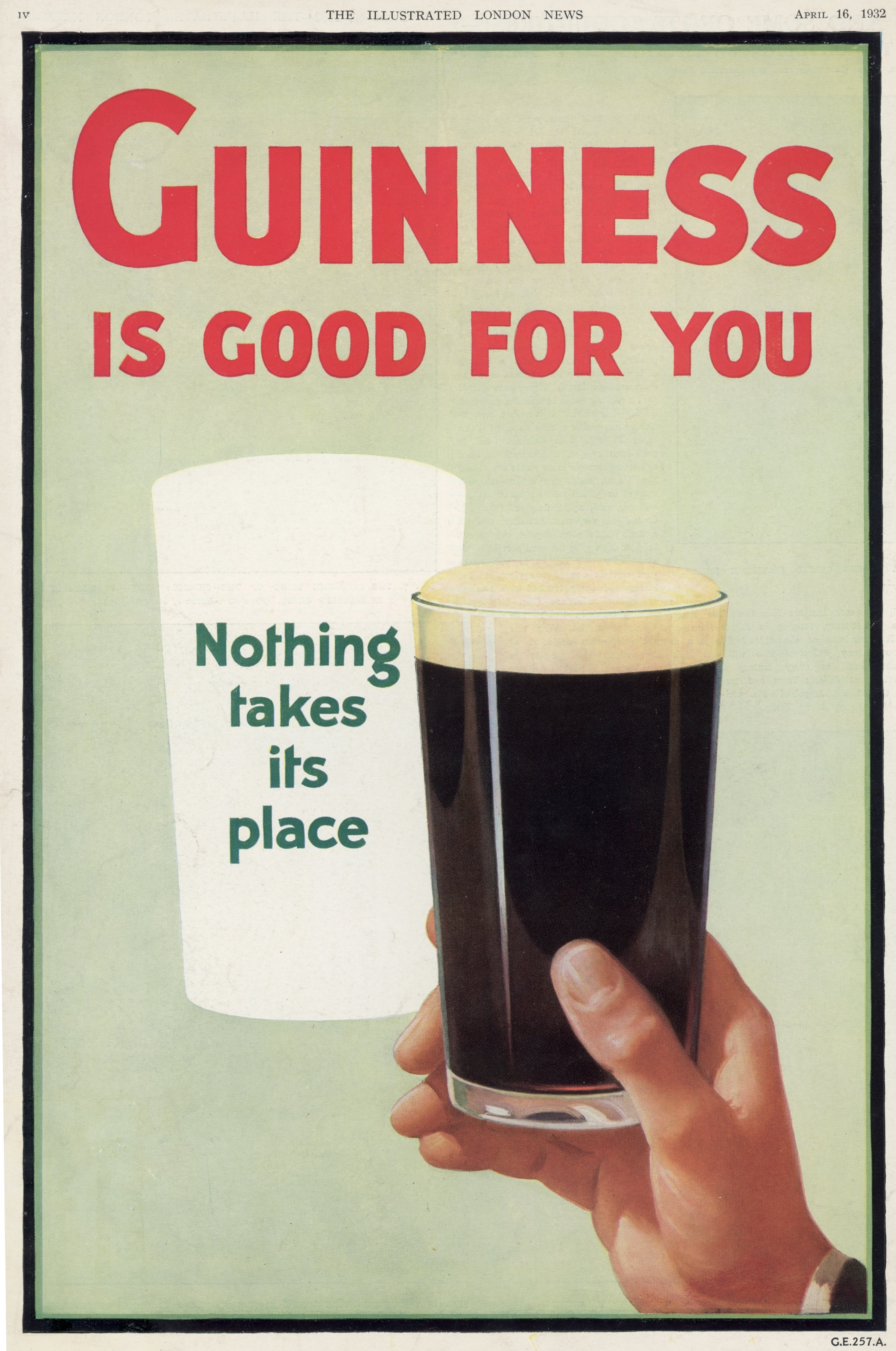
10. According to Guinness: The 250-Year Quest for the Perfect Pint, Guinness first arrived in the US in bottles starting in the 19th century. “Guinness world travellers” were hired by the company, with the purpose of traveling the globe and telling people to try a Guinness.
11. Edward did marry Adelaide Maria Guinness, his third cousin, in 1873. As shown in House of Guinness, her nickname was “Dodo,” and she was a descendant of the banking side of the Guinness family. In The Guinnesses: The Untold Story of Ireland’s Most Successful Family, author Joe Joyce describes her as “petite, with dark hair drawn neatly back, soft-spoken but his equal in energy and vitality and three years older than [Edward] was.”
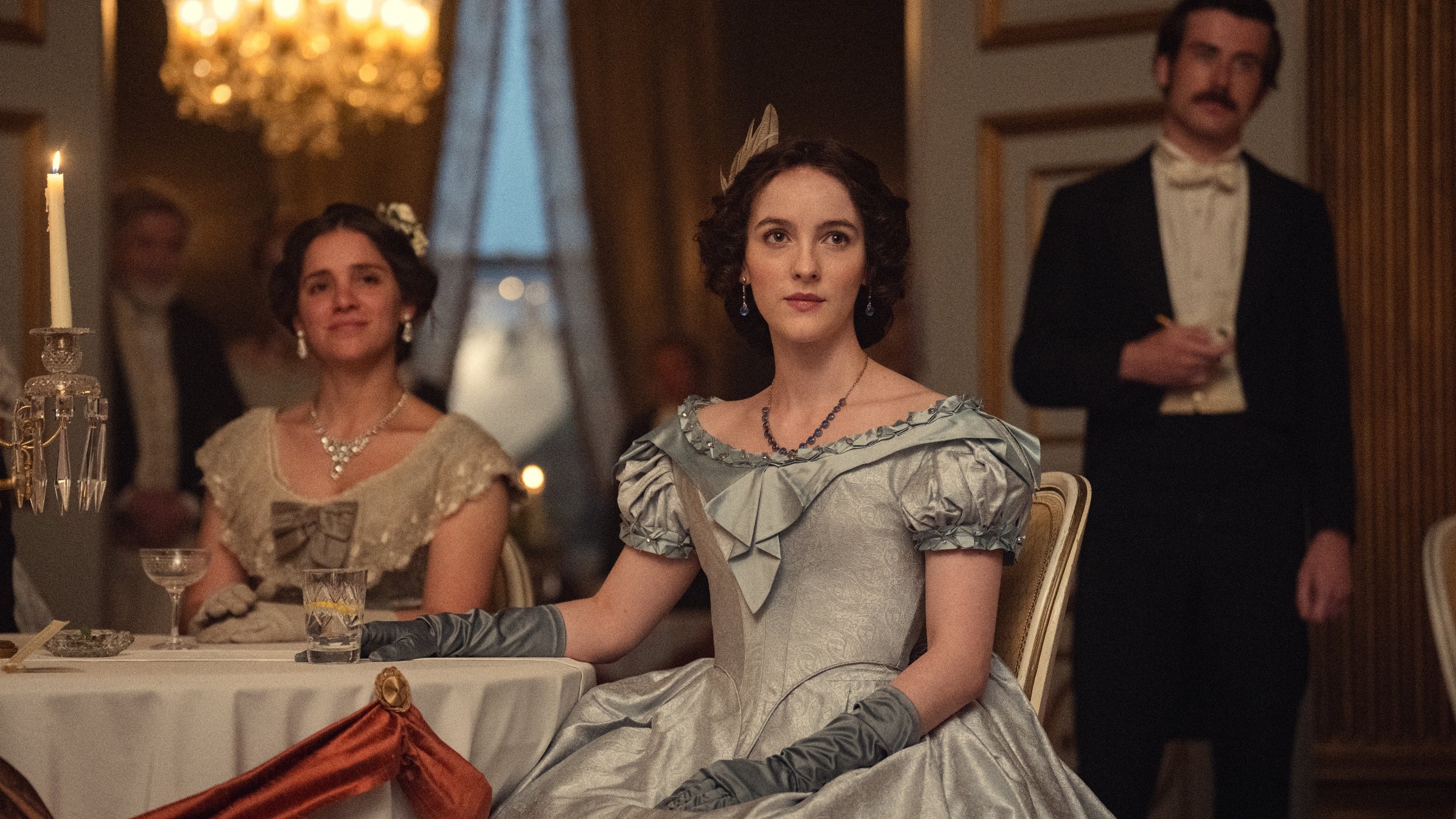
12. As depicted in House of Guinness, Anne Guinness married Rev. William Plunket in 1863, with William eventually becoming the Archbishop of Dublin in the Church of Ireland. Anne’s dowry of £49,000 reportedly allowed Plunket to extend their home at Old Connaught House, a now-famous 18th-century home in Dublin that you can still visit.
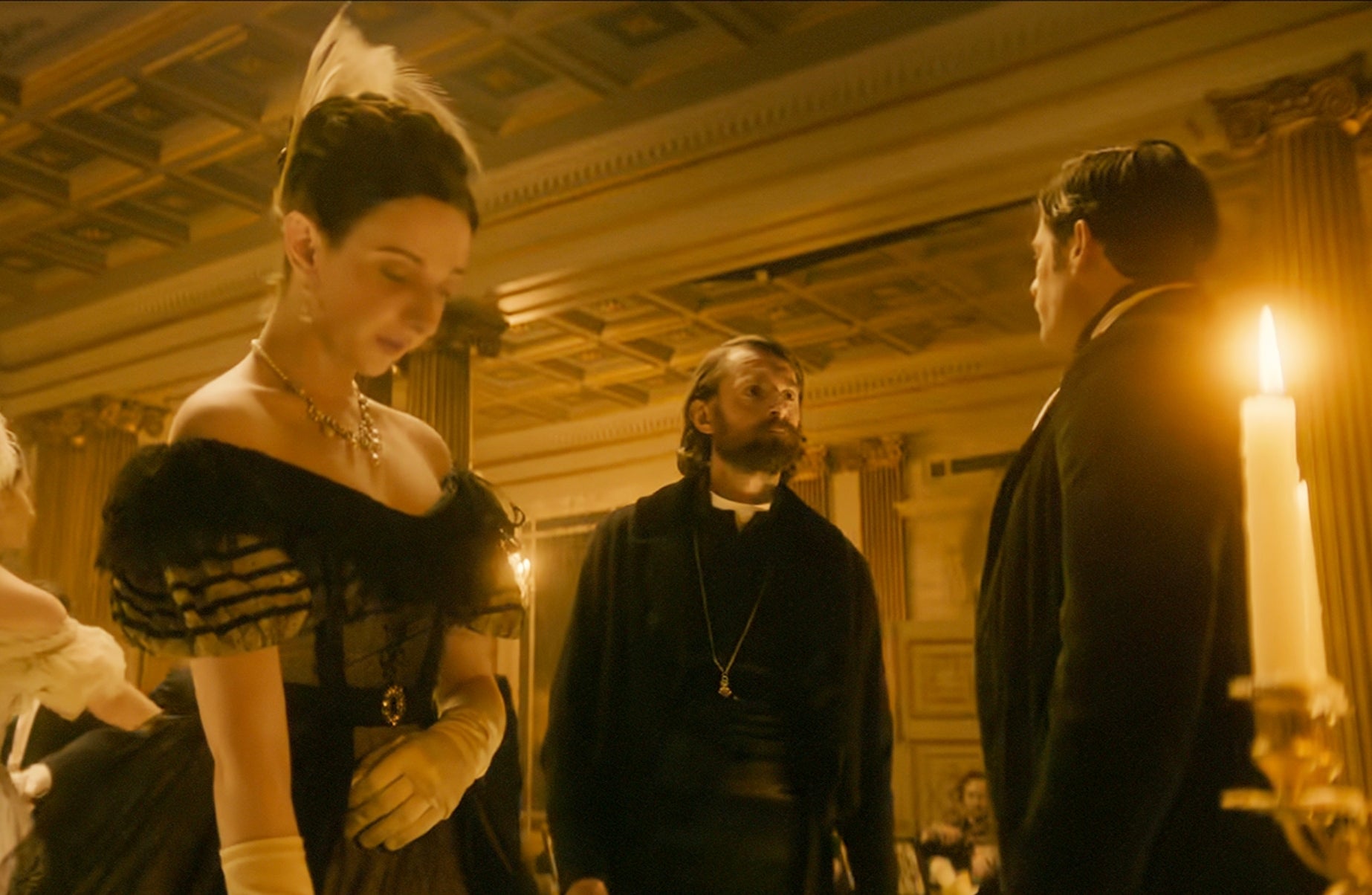
13. Anne is best known for her work with St. Patrick’s Cathedral in Dublin, which her father began restoring during his lifetime. She went on to establish the St. Patrick’s nursing home in 1876, which became a training center for Church of Ireland nurses. Part of her work with nurses goes hand-in-hand with Anne suffering from a “mysterious illness” for most of her life. It’s now believed to have been a degenerative illness, which she died from at age 50.
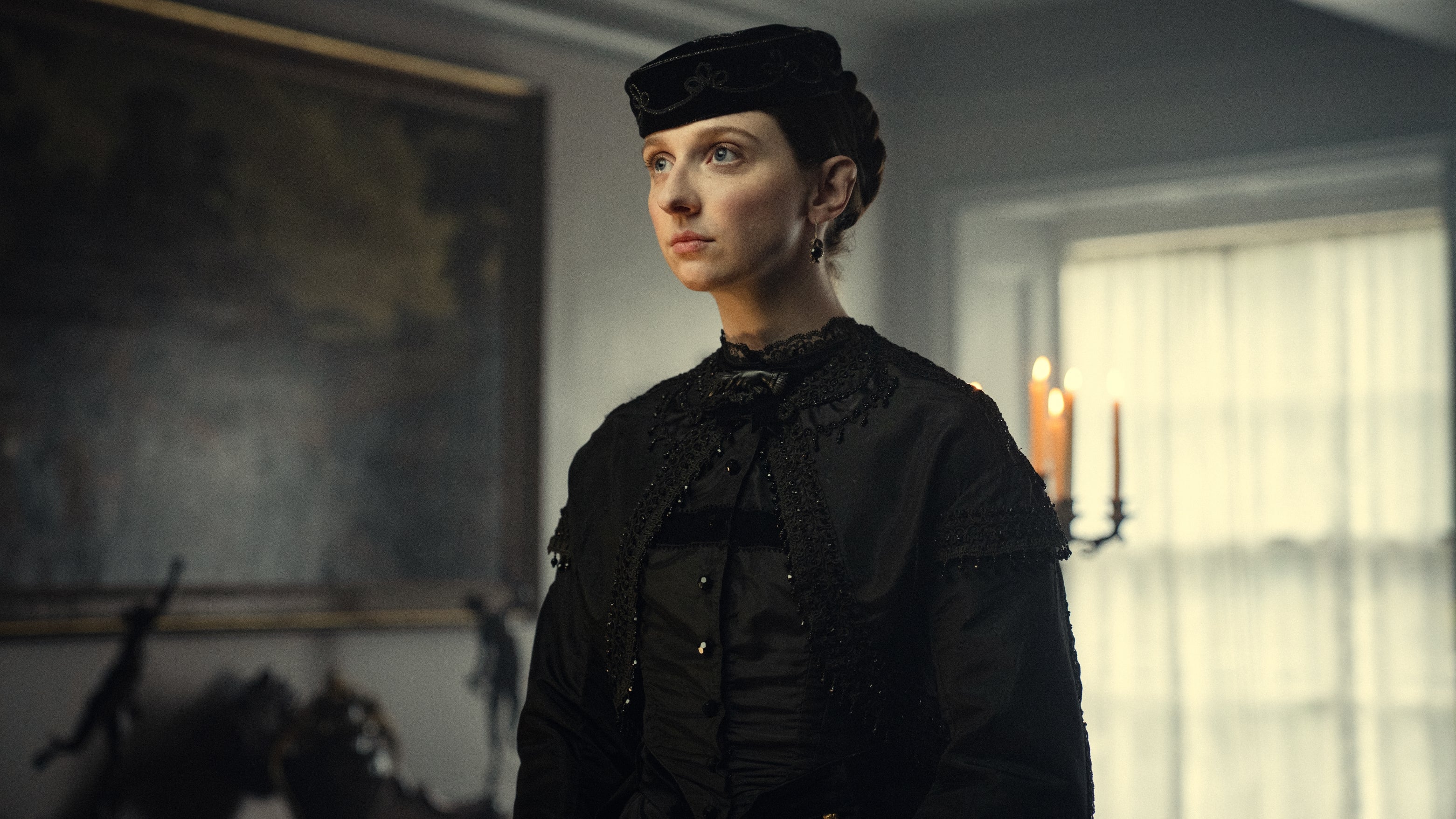
14. Arthur and Edward were also known for their philanthropy. Arthur devoted himself to several causes, like the restoration of Marsh’s Library in Dublin, and he donated £150,000 toward the restoration of St. Patrick’s Cathedral. He also bought, landscaped, and donated to Dublin the public park of St. Stephen’s Green.
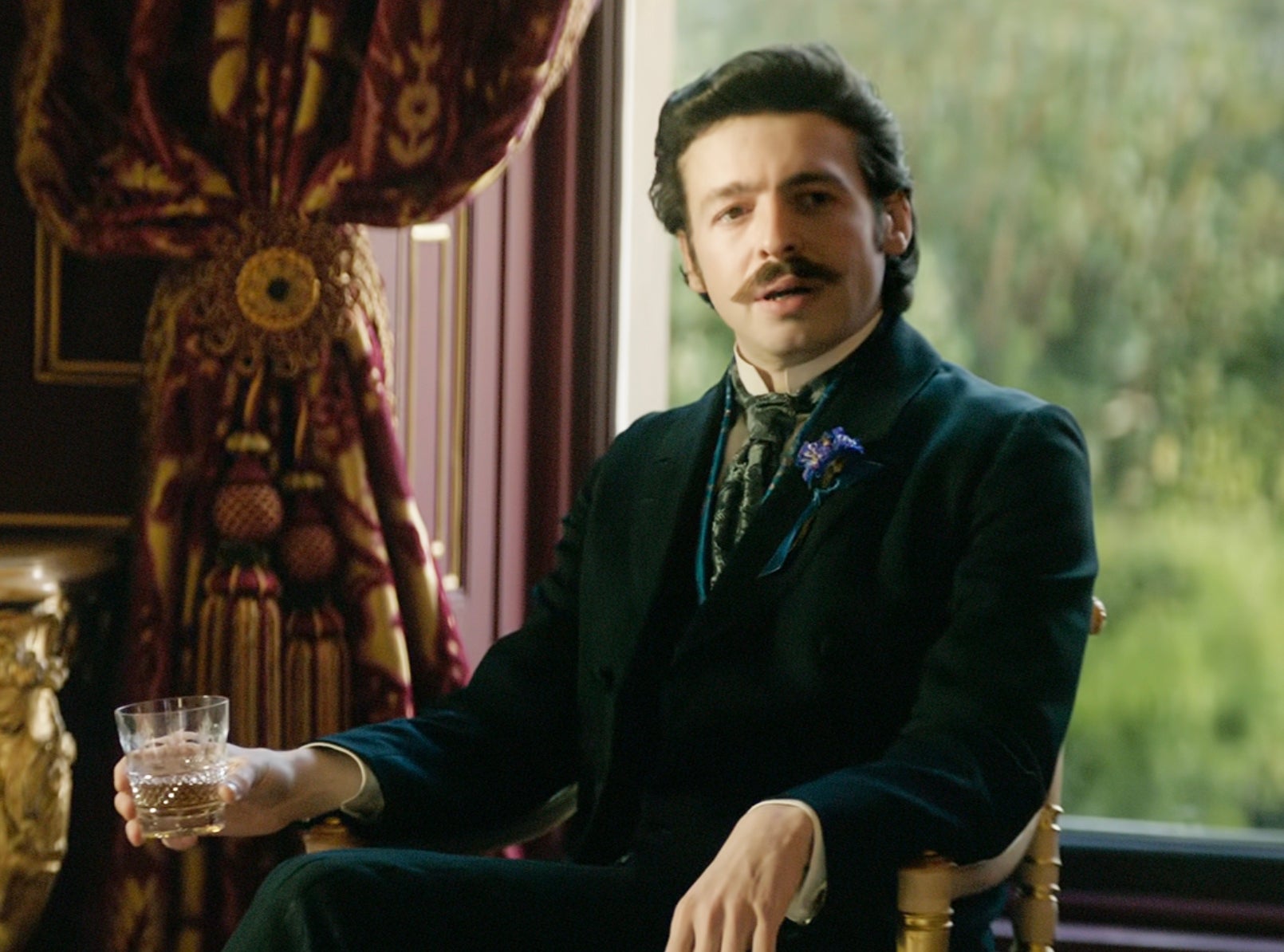
15. As for Edward, he established the Guinness and Iveagh Trusts, which “provide homes for the poor in London and Dublin,” per Guinness. According to the Iveagh Trust, Edward donated £250,000 “to establish the Guinness Trust in London and Dublin, which oversaw the building of the Iveagh Trust’s first communities at Thomas Court and Kevin Street/New Bride Street.” It’s believed Edward donated £1 million to housing projects and other causes during his lifetime. In 2025, the trust still provides over 1,800 homes around Dublin.
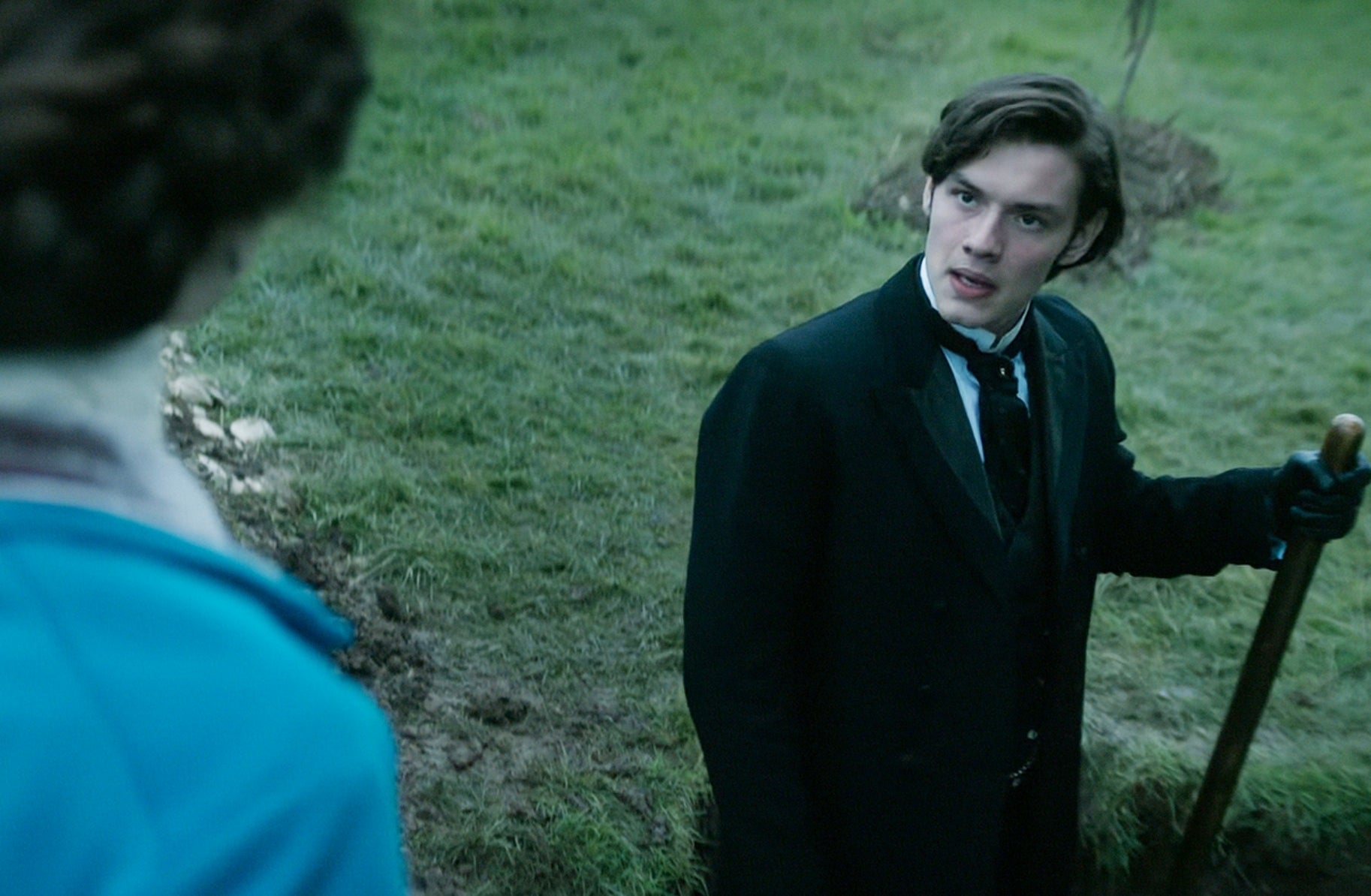
16. Like House of Guinness suggests, Benjamin “Lee” Guinness was believed to have a gambling addiction, which is reportedly why his father only left him £20,000 in his will. According to Guinness: A Family Succession, the money needed to be used for a very specific reason, with the will allegedly stating, “I do earnestly and affectionately enjoin on my said dear son not to expend any portion of the said sum of £20,000 thus placed at his disposal save for the purpose of purchasing military promotion or of eventually settling himself in some civil occupation should he leave the military service or in the purchase of real estates.”
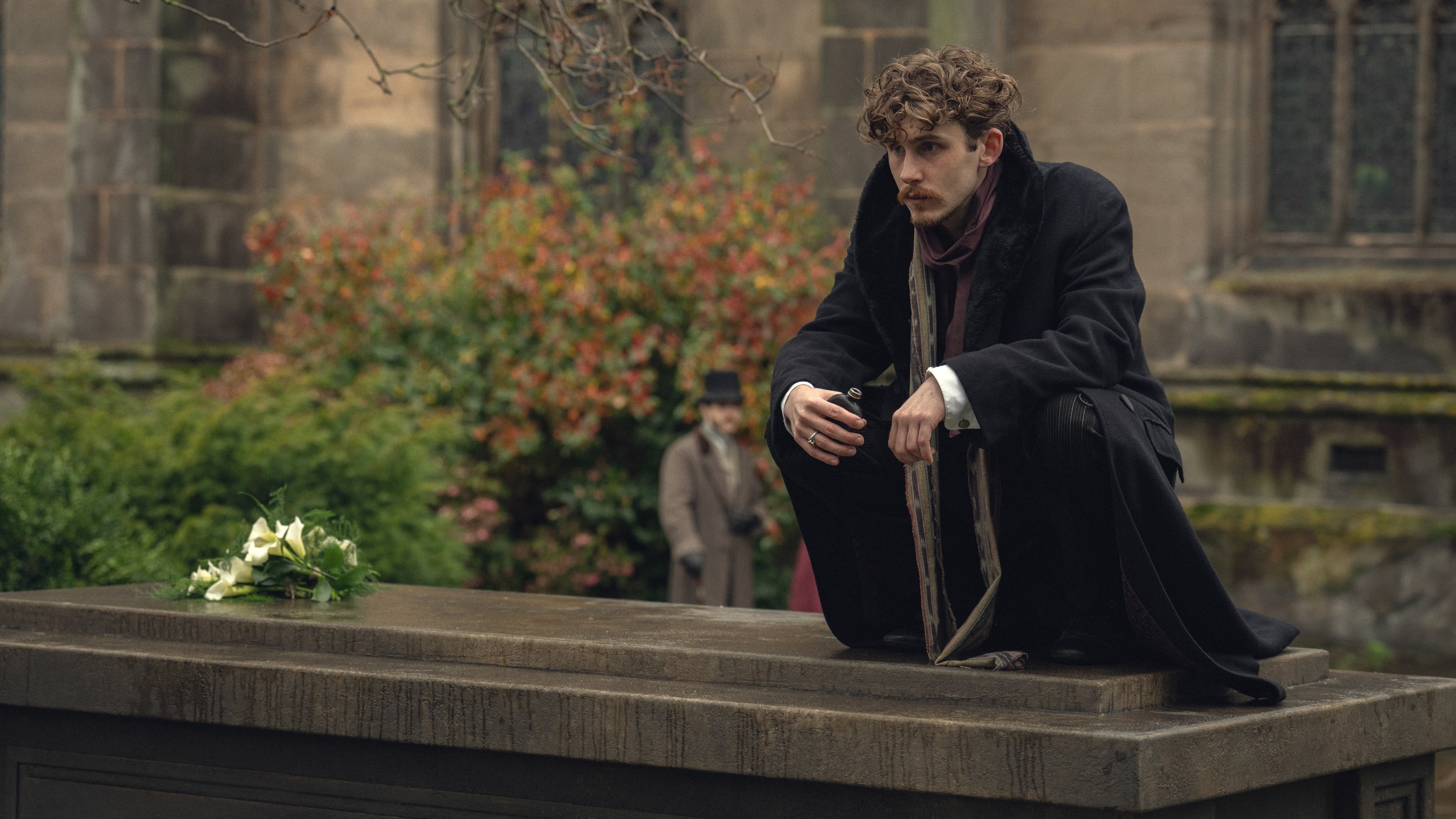
17. And finally, the House of Guinness Season 1 finale ends with an attempt on Arthur’s life by Patrick Cochrane. While it’s unclear if this really happened, there were several threats made on Arthur’s life during this time period. According to The Guinnesses: The Untold Story of Ireland’s Most Successful Family, Arthur reportedly received an anonymous letter in 1872 that accused him of insulting a pro-Catholic newspaper. A threat was also directed at Justice Keough, who was the judge in Arthur’s bribery case. The letter apparently read, “We have a person hired to shoot you and him and no mistake so take warnin [sic] in time.”