The cast of HBO’s The Gilded Age recently offered fans a lighthearted yet insightful look into the minds of their characters through a playful game of “Most Likely To.” Far from a simple promotional segment, the activity highlighted how deeply the actors understand the psychology and motivations of the roles they portray.

One of the standout moments came when the group was asked which character would be “most likely to appear in the tabloids.” The consensus quickly pointed toward Bertha and George Russell, a choice that reflects the characters’ larger-than-life presence in the show. Bertha’s relentless drive to secure a place within New York’s elite society, combined with George’s reputation as a powerful railroad baron, makes them natural fixtures for public scrutiny. Their lives, as the actors suggested, are essentially public performances, where every action has consequences in the high-stakes world of social gossip.

The cast also tackled a more modern hypothetical: which character would “drunk dial an ex.” While humorous, the answers provided a glimpse into the hidden vulnerabilities of these 19th-century figures. Beneath the polished exterior of corsets, formal dinners, and carefully curated reputations lies a web of repressed emotions, lost loves, and private regrets. This acknowledgment of the characters’ humanity underlines why The Gilded Age resonates beyond its period setting.

Another question—“most likely to start a TikTok trend”—allowed the actors to reimagine their characters as trendsetters in today’s world. Whether attributing the role to Bertha, always eager to outshine her rivals with grand displays, or to a younger cast member’s character looking to carve out a fresh identity, the discussion emphasized innovation and ambition. The playful comparison underscored the timelessness of certain personality traits, showing how figures from the 1880s could easily embody modern-day influencers.
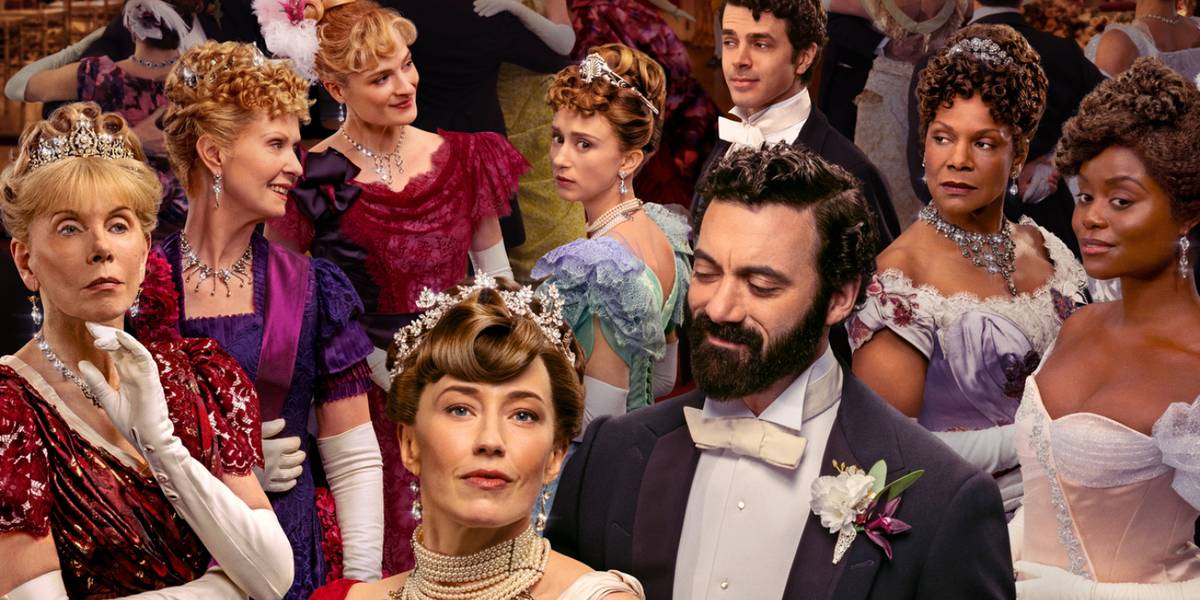
Perhaps the most scandalous questions involved who might create a provocative dating profile or be considered a “home wrecker.” These prompted conversations about the darker, morally ambiguous sides of the show’s ensemble. With its undercurrents of infidelity, ambition, and hidden desires, The Gilded Age thrives on the tension between appearances and reality. The actors’ responses hinted at the show’s enduring allure—its ability to balance opulent visuals with the raw complexities of human nature.
The game not only entertained but also reinforced the cast’s chemistry and their nuanced grasp of character development. It served as a reminder that what makes The Gilded Age compelling is not merely the stunning costumes and lavish sets, but the layered performances of actors who bring these characters to life with wit, depth, and authenticity.
As Season Two continues to draw attention, moments like this give audiences a behind-the-scenes look at the camaraderie of the cast while deepening appreciation for the drama’s exploration of ambition, love, and societal transformation.