A recently released clip from HBO’s The Gilded Age has captured attention for its subtle yet sharp portrayal of social maneuvering during the period. Unlike the sweeping ballroom scenes or dramatic confrontations the series is known for, this moment focuses on a quiet conversation between two women, illustrating the psychological intricacies that define the show.

The scene opens with one character inquiring whether her friend has read a particular piece of writing. The response—that she has read it twice and believes the other “would not enjoy it”—is a nuanced display of character insight. This exchange signals more than a casual discussion; it hints at a thinly veiled social critique or attack embedded in the writing. By reading it twice, the character demonstrates a deep understanding of the societal landscape, akin to a strategist studying a battlefield. The cautionary tone of her remark reflects both awareness and subtle power dynamics, establishing the intellectual and social tension that permeates the series.
As the dialogue progresses, the conversation shifts to the couple presumed to be the subject of the gossip. Reputation in the Gilded Age functioned as currency, shield, and weapon, and this segment underscores the constant scrutiny under which the characters live. Even minor slights, disseminated through rumors or printed commentary, carry the potential to undermine social standing. This heightened sense of exposure emphasizes that the characters’ personal lives are inextricably linked to public perception, revealing the precarious balance they must maintain to navigate society successfully.

The scene reaches its peak with commentary on Mr. Fish, described as being “very cheap when it comes to choosing wine.” At first glance, the remark may seem trivial, but within the context of the Gilded Age, it serves as a direct critique of taste, wealth, and social judgment. The women’s agreement that the observation is “horrid” and “unfair” highlights the significance of social capital in this world. Even small offenses are treated as strategic assaults on character and standing, reflecting the meticulous attention to status and decorum that defined the era.
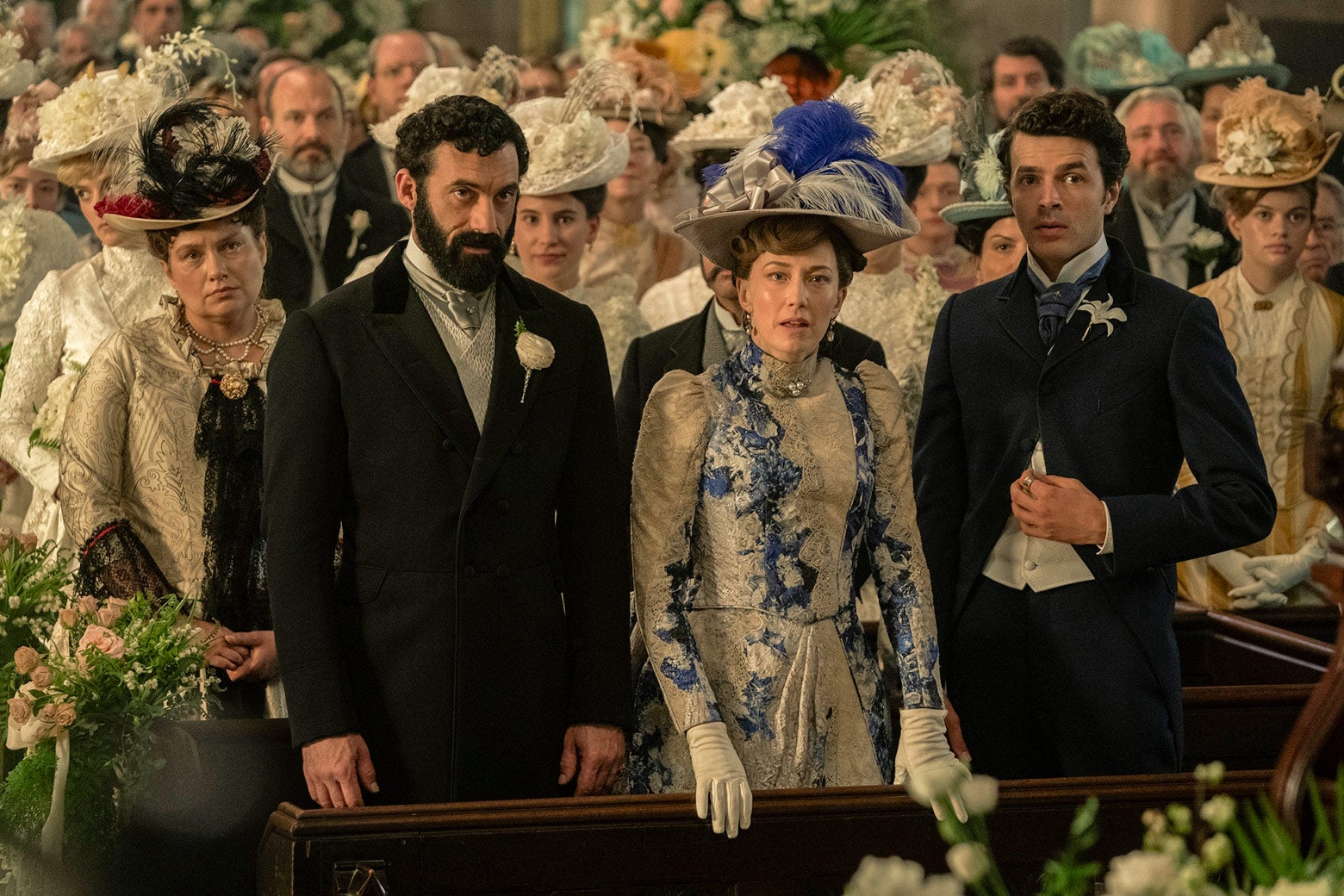
This clip exemplifies the show’s focus on psychological and social strategy rather than overt spectacle. The tension, wit, and precision in dialogue demonstrate that The Gilded Age is as much about intellectual and emotional maneuvering as it is about lavish parties and opulent costumes. It underscores the high stakes of everyday interactions, where a single word or rumor can significantly impact a person’s reputation or fortune.
Overall, this behind-the-scenes moment reaffirms why The Gilded Age continues to resonate with audiences. The series excels in portraying the delicate, often ruthless interplay of social forces with sharp dialogue, layered performances, and attention to period detail. By highlighting the strategic and psychological dimensions of its characters, the show goes beyond surface-level drama, offering viewers a sophisticated glimpse into the complex world of 19th-century high society.